How Parents Can Prepare Kids for Jobs That Don’t Exist Yet

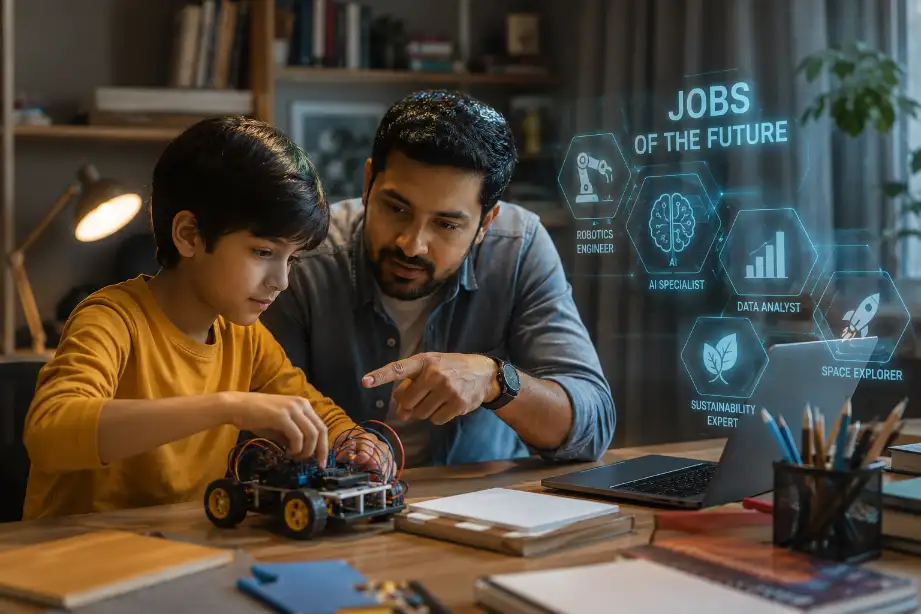
Technology changes faster than ever, and many careers that children will enter in the future do not exist today. A few decades ago, jobs like app developer, social media manager, and drone operator seemed impossible. Today, companies hire thousands of professionals in these fields. Parents face a unique challenge because they cannot simply guide children toward a fixed career path.
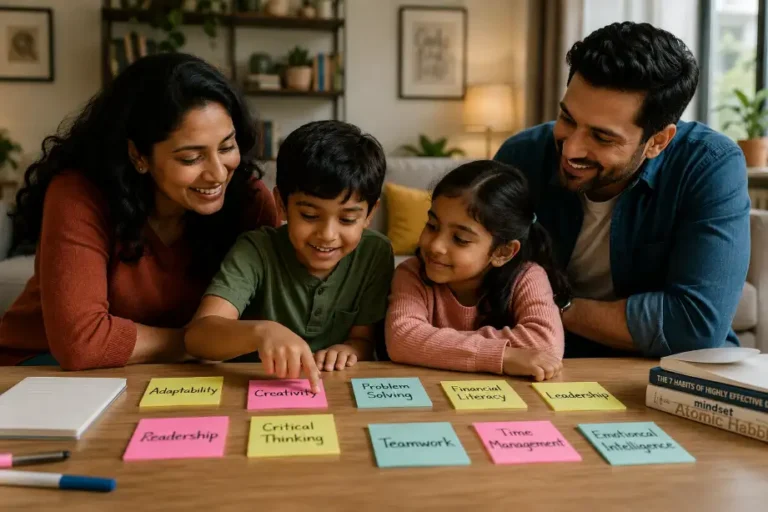
Instead, they need to help kids build skills that remain useful regardless of how industries change. Children who learn adaptability, creativity, communication, and problem-solving can handle future opportunities with confidence. Parents play a major role in shaping these abilities from an early age.
By focusing on lifelong learning and practical experiences, families can help children stay ready for careers that may appear years from now.
How Parents Can Prepare Kids for Jobs That Don’t Exist Yet
Preparing children for unknown careers requires a shift in mindset. Parents should focus less on specific professions and more on skills that apply across many industries.
Encourage Curiosity Every Day
Curiosity drives learning and discovery. Children who ask questions often develop stronger critical thinking skills.
Parents can encourage curiosity by:
- Answering questions thoughtfully
- Visiting museums and science centers
- Reading books on different subjects
- Supporting hobbies and interests
- Allowing children to experiment and explore
A curious child becomes more willing to learn new skills throughout life.
Teach Problem-Solving Skills
Future careers will require people to solve challenges that have no clear answers.
Parents can build problem-solving abilities by:
- Giving children age-appropriate responsibilities
- Encouraging independent thinking
- Allowing kids to make small decisions
- Discussing solutions instead of providing answers immediately
- Using puzzles, strategy games, and creative activities
Problem-solvers often adapt quickly when industries change.
Build Strong Communication Skills
Communication remains valuable in almost every profession. Children who express ideas clearly often work better with others.
Parents can strengthen communication through:
- Family discussions
- Storytelling activities
- Reading aloud
- Public speaking opportunities
- Team projects and group activities
Clear communication helps children succeed in leadership and collaborative roles.
Develop Adaptability
Change will continue to shape the job market. Children who adjust quickly can handle new environments and expectations.
Parents can encourage adaptability by:
- Introducing new experiences
- Teaching flexibility during unexpected situations
- Allowing children to try different activities
- Supporting healthy responses to failure
Adaptability helps children stay confident when facing uncertainty.
Focus on Digital Literacy
Technology influences nearly every industry. Children should understand how digital tools work instead of using them only for entertainment.
Useful digital skills include:
- Basic coding concepts
- Online research
- Digital safety
- Content creation
- Understanding artificial intelligence tools
Digital literacy prepares children for technology-driven workplaces.
Encourage Creativity
Many future jobs will require original ideas and creative thinking.
Parents can nurture creativity through:
- Art projects
- Music lessons
- Creative writing
- Building activities
- Open-ended play
Creative thinkers often find unique solutions and identify new opportunities.
Teach Emotional Intelligence
People skills remain valuable even as technology advances.
Children should learn how to:
- Understand emotions
- Show empathy
- Resolve conflicts
- Work in teams
- Build positive relationships
Emotional intelligence strengthens both personal and professional success.
Why Lifelong Learning Matters More Than Career Planning
Many parents focus heavily on choosing the right career path. Future success may depend more on learning continuously than selecting a single profession.
Children should understand that learning does not end after school or college. New industries emerge regularly, and workers often change careers multiple times throughout their lives.
Parents can promote lifelong learning by:
- Demonstrating curiosity themselves
- Taking courses or learning new skills
- Celebrating effort instead of perfection
- Encouraging educational activities outside school
Children who enjoy learning can adapt to changing opportunities more easily.
The Importance of Real-World Experiences
Practical experiences teach lessons that textbooks cannot provide.
Parents can expose children to real-world learning through:
Volunteering
Community service teaches responsibility, teamwork, and leadership.
Internships and Job Shadowing
Older children can observe professionals and learn workplace expectations.
Entrepreneurship Projects
Small businesses, online stores, or neighborhood services help children understand problem-solving and financial management.
Travel and Cultural Experiences
Exposure to different cultures broadens perspectives and improves adaptability.
Real-world experiences help children connect knowledge with practical situations.
Skills That Will Likely Remain Valuable in Any Future Career
While no one can predict every future job, several abilities will likely stay important for decades.
Critical Thinking
Employers value people who evaluate information and make sound decisions.
Collaboration
Many projects require teamwork across different backgrounds and specialties.
Leadership
Leadership involves guiding others, taking initiative, and solving challenges.
Financial Literacy
Understanding money management helps children make smart financial decisions.
Time Management
People who organize their schedules often achieve goals more efficiently.
Resilience
Children who recover from setbacks handle workplace challenges more effectively.
These skills support success across many industries and professions.
Common Mistakes Parents Should Avoid
Parents often want the best for their children, but some approaches may limit growth.
Overplanning a Child’s Future
Children need room to discover their own interests and strengths.
Focusing Only on Grades
Academic success matters, but character, creativity, and communication matter too.
Avoiding Failure
Children learn valuable lessons when they face setbacks and work through challenges.
Comparing Children to Others
Every child develops skills at a different pace.
Ignoring Soft Skills
Technical knowledge alone cannot guarantee career success.
Avoiding these mistakes helps children develop confidence and independence.
Creating a Future-Ready Home Environment
The home environment shapes many lifelong habits.
Parents can create a future-ready atmosphere by:
- Encouraging open conversations
- Supporting creativity
- Limiting fear of mistakes
- Providing educational resources
- Promoting healthy technology use
- Celebrating learning achievements
A supportive home helps children develop confidence and adaptability.
Conclusion
The future job market will look very different from today’s workforce. Parents cannot predict every profession their children may encounter, but they can prepare them with skills that remain valuable across changing industries. Curiosity, adaptability, communication, creativity, emotional intelligence, and problem-solving create a strong foundation for long-term success.
F.A.Q
What does it mean to prepare kids for jobs that don’t exist yet?
It means teaching adaptable skills that remain useful as industries change.
Why is adaptability important for future careers?
Adaptability helps children adjust to new technologies, roles, and work environments.
Should children learn technology skills early?
Yes, basic digital literacy helps children understand modern tools and systems.
Are soft skills important for future jobs?
Yes, communication, teamwork, and emotional intelligence remain valuable across industries.
How can parents encourage lifelong learning?
Parents can model curiosity and support learning beyond school.
Do grades guarantee future career success?
No, success also depends on creativity, resilience, and practical skills.
What is the most valuable skill for future careers?
Problem-solving stands out because it applies to nearly every profession.