
Future-Proof Parenting: 10 Life Skills Every Child Needs Before 2030

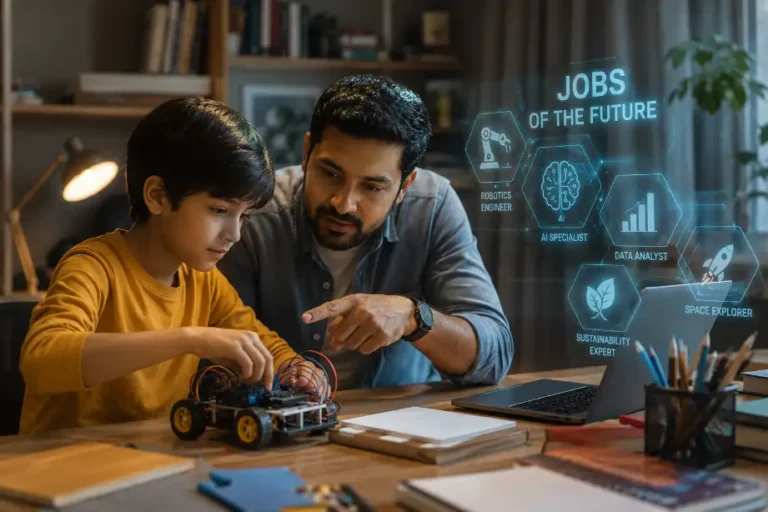
Parenting has changed a lot over the last decade. Children now grow up in a fast-moving environment shaped by technology, global communication, and new career opportunities. Many jobs that exist today may look very different by 2030, while completely new professions may emerge. Parents can no longer focus only on academic success. Children also need practical skills that help them adapt, solve problems, and build strong relationships.
Future-proof parenting focuses on preparing children for real-life challenges rather than only helping them score high grades. When parents teach useful life skills early, children gain confidence, independence, and resilience. These abilities help them succeed in school, work, and personal life. The following ten life skills can help children thrive in the years ahead and face change with confidence.
Future-Proof Parenting: 10 Life Skills Every Child Needs Before 2030
Parents who want to prepare their children for the future should focus on developing these essential skills.
1. Critical Thinking
Children face an endless flow of information every day. They need the ability to evaluate facts, question assumptions, and make informed decisions.
Parents can encourage critical thinking by:
- Asking open-ended questions
- Discussing real-world situations
- Encouraging children to explain their opinions
- Teaching them to verify information from multiple sources
Critical thinkers make better decisions and avoid misinformation.
2. Emotional Intelligence
Academic knowledge alone cannot guarantee success. Children also need to understand emotions and manage relationships effectively.
Key emotional intelligence skills include:
- Self-awareness
- Empathy
- Self-control
- Active listening
- Conflict resolution
Parents can model healthy emotional behavior and create opportunities for meaningful conversations at home.
3. Digital Literacy
Technology plays a major role in education, business, and daily life. Children must learn how to use digital tools responsibly and safely.
Important digital literacy skills include:
- Online safety awareness
- Responsible social media use
- Basic cybersecurity habits
- Information evaluation
- Digital communication
Parents should teach children how to protect personal information and maintain healthy screen habits.
4. Financial Management
Many adults struggle with money because they never learned financial skills during childhood. Early financial education builds smart habits that can last a lifetime.
Children should learn:
- Saving money
- Budgeting basics
- Spending wisely
- Understanding needs versus wants
- Basic investing concepts
Simple activities such as managing an allowance can teach valuable money lessons.
5. Adaptability
Change will continue to shape the future workforce and society. Children who adapt quickly can handle uncertainty more effectively.
Parents can build adaptability by:
- Introducing new experiences
- Encouraging flexibility
- Allowing children to solve problems independently
- Supporting them through challenges
Adaptable children often handle setbacks with greater confidence.
6. Communication Skills
Strong communication remains one of the most valuable skills in every profession.
Children should practice:
- Speaking clearly
- Writing effectively
- Listening carefully
- Presenting ideas confidently
- Respectful conversation
Family discussions, storytelling, and public speaking activities can strengthen communication abilities.
7. Problem-Solving Ability
Life presents challenges that require creative solutions. Children need opportunities to think independently and find answers.
Parents can support problem-solving by:
- Allowing children to make age-appropriate decisions
- Encouraging brainstorming
- Discussing possible solutions
- Treating mistakes as learning opportunities
Problem-solvers often develop stronger confidence and independence.
8. Collaboration and Teamwork
Most future careers will require cooperation with people from different backgrounds and cultures.
Children can learn teamwork through:
- Group projects
- Sports activities
- Family responsibilities
- Community programs
Teamwork teaches respect, cooperation, and shared responsibility.
9. Time Management
Good time management helps children stay organized and productive.
Parents can teach this skill through:
- Daily schedules
- Homework planning
- Goal setting
- Prioritizing tasks
- Managing distractions
Children who manage time effectively often experience less stress and greater success.
10. Resilience
Resilience helps children recover from disappointments and continue moving forward.
Parents can nurture resilience by:
- Encouraging persistence
- Praising effort rather than outcomes
- Teaching positive coping strategies
- Allowing children to face manageable challenges
Resilient children develop strength that serves them throughout life.
Why Future-Proof Parenting Matters More Than Ever
The future workplace values adaptability, creativity, and interpersonal skills. Employers increasingly seek individuals who can learn quickly, collaborate effectively, and solve problems independently.
Parents who focus on life skills help children:
- Handle uncertainty confidently
- Build healthy relationships
- Develop leadership qualities
- Improve decision-making abilities
- Prepare for changing career paths
These skills support success across many areas of life, regardless of career choices.
Building Life Skills Through Everyday Activities
Parents do not need expensive programs or special training to teach life skills. Daily routines provide countless learning opportunities.
Household Responsibilities
Simple chores teach responsibility and accountability.
Examples include:
- Making the bed
- Organizing personal belongings
- Helping prepare meals
- Managing small household tasks
Family Discussions
Regular conversations help children practice communication and critical thinking.
Parents can discuss:
- Current events
- Family decisions
- Community issues
- Personal goals
Community Involvement
Volunteer work and community participation help children develop empathy and teamwork.
Activities may include:
- Charity events
- Environmental projects
- Community cleanups
- Helping neighbors
These experiences build social awareness and responsibility.
Common Parenting Mistakes That Limit Life Skill Development
Many parents unintentionally prevent children from developing independence.
Solving Every Problem
Children learn valuable lessons when they work through challenges themselves. Constant intervention can reduce confidence and problem-solving ability.
Overprotecting Children
Protection is important, but excessive protection may prevent growth. Children need opportunities to face manageable risks and learn from experience.
Focusing Only on Grades
Academic achievement matters, but life skills often determine long-term success. Parents should value character development alongside school performance.
Avoiding Difficult Conversations
Topics such as money, failure, emotions, and responsibility help children prepare for adulthood. Honest discussions create stronger understanding and confidence.
How Parents Can Start Today
Parents can begin future-proof parenting with small, consistent actions.
Consider these practical steps:
- Assign age-appropriate responsibilities.
- Encourage independent decision-making.
- Discuss emotions openly.
- Teach basic financial habits.
- Create opportunities for teamwork.
- Limit excessive screen time.
- Allow children to experience natural consequences.
- Celebrate effort and progress.
Small daily habits often create the strongest long-term results.
The Role of Technology in Future-Proof Parenting
Technology can support learning when used thoughtfully. Parents should guide children toward productive digital activities instead of unlimited entertainment.
Helpful technology uses include:
- Educational platforms
- Coding programs
- Research projects
- Creative design tools
- Online collaboration opportunities
Balanced technology use helps children gain valuable digital skills while maintaining healthy habits.
Conclusion
Future-proof parenting goes beyond preparing children for school exams. It focuses on developing practical abilities that help them navigate a rapidly changing world. Critical thinking, emotional intelligence, digital literacy, financial awareness, adaptability, communication, problem-solving, teamwork, time management, and resilience can shape a child’s future success. Parents do not need complicated strategies to teach these skills.
F.A.Q
What is future-proof parenting?
Future-proof parenting prepares children with skills that help them succeed in a changing world.
Why are life skills important before 2030?
Life skills help children adapt to future social, technological, and workplace changes.
At what age should parents start teaching life skills?
Parents can begin teaching basic life skills during early childhood.
How can children learn financial responsibility?
Children can learn through allowances, saving goals, and budgeting activities.
Why is emotional intelligence important?
Emotional intelligence helps children build healthy relationships and manage emotions effectively.
Can technology help develop life skills?
Yes, technology can support learning, creativity, research, and communication when used responsibly.
Which life skill has the greatest impact on future success?
Resilience often creates lasting success because it helps children overcome challenges and keep progressing.