Why Emotional Intelligence Matters More Than Academic Achievement in 2026

In 2026, success looks very different from what it did a decade ago. High grades and academic awards still hold value, but employers, educators, and families now pay closer attention to emotional intelligence. People face constant change, digital communication, remote work, and increasing social pressures. In such an environment, the ability to understand emotions, build relationships, handle stress, and communicate effectively often creates better outcomes than academic scores alone.
Many highly educated individuals struggle with teamwork, leadership, and conflict resolution. At the same time, people with strong emotional skills often excel in careers, relationships, and personal growth. Emotional intelligence helps individuals connect with others, make thoughtful decisions, and remain calm during difficult situations. As workplaces and communities continue to change, emotional intelligence has become one of the most valuable skills a person can develop.
Why Emotional Intelligence Matters More Than Academic Achievement in 2026
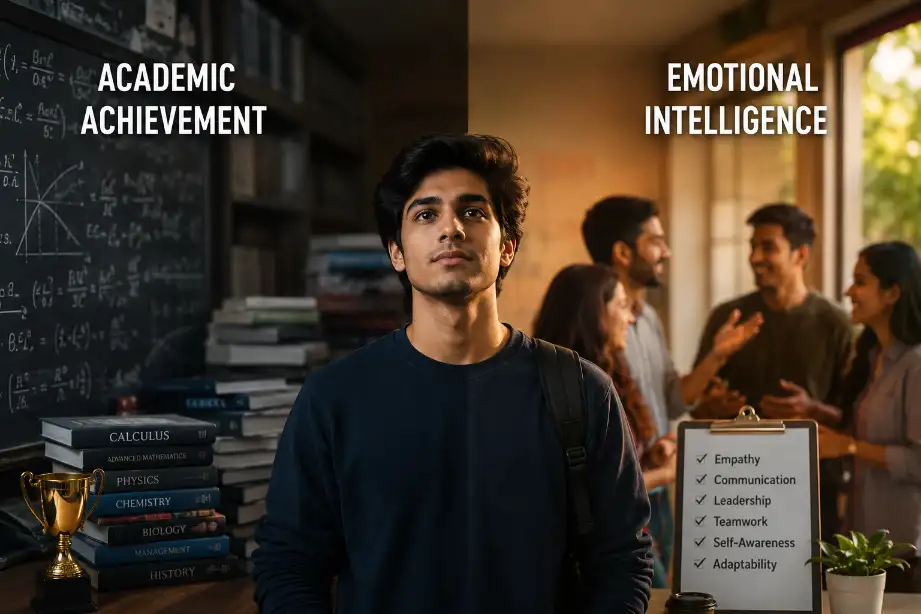
Academic achievement measures a person’s ability to learn and apply knowledge in specific subjects. Emotional intelligence focuses on understanding emotions, managing behavior, and building healthy relationships.
In 2026, organizations seek individuals who can collaborate, communicate, and adapt quickly. Technical skills can become outdated, but emotional intelligence remains useful across every profession and stage of life.
Better Workplace Success
Employers often prefer candidates who work well with others and contribute positively to team culture.
People with strong emotional intelligence can:
- Communicate clearly
- Resolve conflicts peacefully
- Accept feedback professionally
- Support colleagues during challenges
- Build trust within teams
A person with average grades but excellent people skills may outperform someone with perfect grades who struggles with communication.
Stronger Leadership Skills
Leadership requires much more than technical knowledge. Great leaders understand the emotions of their teams and know how to motivate people.
Emotionally intelligent leaders:
- Listen carefully
- Show empathy
- Manage stress effectively
- Make balanced decisions
- Create positive work environments
Companies increasingly promote employees who demonstrate these qualities.
Improved Adaptability
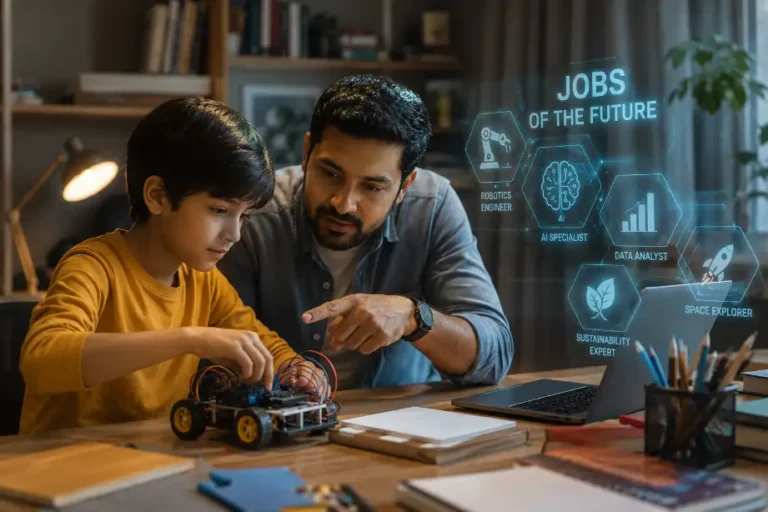
Technology changes rapidly. New tools, systems, and work methods appear every year.
Emotionally intelligent individuals adapt more easily because they:
- Stay calm during change
- Learn from mistakes
- Accept new ideas
- Remain open to growth
- Handle uncertainty with confidence
Adaptability often determines long-term success in modern careers.
Better Communication Skills
Communication affects every area of life, from professional meetings to personal relationships.
People with high emotional intelligence understand:
- Tone of voice
- Body language
- Emotional reactions
- Active listening
- Respectful conversations
These abilities reduce misunderstandings and improve relationships.
Greater Mental Well-Being
Academic achievement does not automatically create happiness or emotional stability.
Emotional intelligence helps people:
- Recognize stress early
- Manage anxiety effectively
- Control emotional reactions
- Maintain healthy boundaries
- Develop self-awareness
As mental health discussions continue to grow in importance, emotional intelligence plays a major role in personal well-being.
The Growing Demand for Emotional Intelligence in Modern Careers
Many industries now value emotional skills as highly as technical qualifications.
Customer-Focused Industries
Professionals working in healthcare, education, sales, hospitality, and customer service interact with people every day.
Success in these fields often depends on:
- Empathy
- Patience
- Listening skills
- Emotional awareness
- Relationship building
These qualities directly influence customer satisfaction and trust.
Remote and Hybrid Work Environments
Remote work remains common in 2026. Virtual teams require strong communication and collaboration skills.
Emotionally intelligent employees can:
- Maintain professional relationships online
- Understand team dynamics
- Communicate effectively through digital platforms
- Avoid unnecessary conflicts
- Support team morale
These skills help organizations maintain productivity regardless of location.
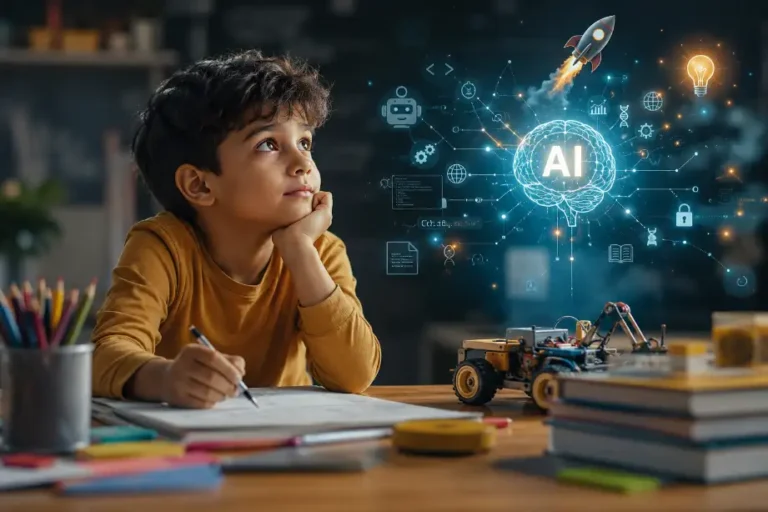
Artificial Intelligence and Human Skills
Technology continues to automate many technical tasks. Human-centered abilities remain difficult to replace.
Skills that machines cannot easily replicate include:
- Empathy
- Compassion
- Emotional understanding
- Relationship management
- Ethical judgment
As automation expands, emotional intelligence becomes even more valuable.
Key Components of Emotional Intelligence
Understanding emotional intelligence becomes easier when examining its core elements.
Self-Awareness
Self-awareness involves recognizing personal emotions and understanding how they influence behavior.
People with strong self-awareness:
- Identify emotional triggers
- Understand strengths and weaknesses
- Reflect on decisions
- Accept responsibility
Self-Regulation
Self-regulation refers to managing emotions in healthy ways.
Examples include:
- Staying calm during disagreements
- Controlling impulsive reactions
- Managing frustration
- Responding thoughtfully instead of reacting immediately
Empathy
Empathy allows people to understand and respect the feelings of others.
Empathetic individuals:
- Listen without judgment
- Show compassion
- Build trust
- Strengthen relationships
Social Skills
Social skills support positive interactions with others.
These skills include:
- Teamwork
- Conflict resolution
- Communication
- Networking
- Collaboration
Motivation
Emotionally intelligent people often possess strong internal motivation.
They focus on:
- Personal growth
- Long-term goals
- Continuous learning
- Positive attitudes
How Parents and Schools Can Develop Emotional Intelligence
Educational institutions and families play an important role in emotional development.
Encourage Open Conversations
Children should feel comfortable discussing emotions without fear of criticism.
Parents and teachers can:
- Ask meaningful questions
- Listen carefully
- Validate feelings
- Encourage honest communication
Teach Problem-Solving Skills
Instead of solving every challenge for children, adults can guide them through solutions.
This approach helps children:
- Build confidence
- Think critically
- Manage frustration
- Develop resilience
Model Healthy Emotional Behavior
Children learn by observing adults.
Parents and educators should demonstrate:
- Respectful communication
- Patience
- Accountability
- Emotional control
Promote Team Activities
Group activities teach valuable social skills.
Examples include:
- Sports
- Community projects
- Group assignments
- Volunteer work
These experiences help children practice cooperation and empathy.
Emotional Intelligence and Personal Relationships
Healthy relationships depend heavily on emotional intelligence.
Building Trust
Trust grows when people communicate honestly and consistently.
Emotionally intelligent individuals:
- Keep commitments
- Respect boundaries
- Show reliability
- Demonstrate understanding
Managing Conflict
Disagreements occur in every relationship. Emotional intelligence helps people handle conflict constructively.
Helpful strategies include:
- Listening before responding
- Staying calm
- Avoiding personal attacks
- Seeking mutual solutions
- Respecting different perspectives
Strengthening Connections
People naturally gravitate toward those who make them feel understood and respected.
Emotional intelligence creates stronger friendships, family relationships, and professional partnerships.
Balancing Academic Achievement and Emotional Intelligence
Academic achievement still matters. Education provides knowledge, critical thinking abilities, and career opportunities.
The goal should not involve choosing one over the other. People achieve the strongest results when they combine academic skills with emotional intelligence.
A balanced approach includes:
- Pursuing educational goals
- Developing communication skills
- Practicing empathy
- Building self-awareness
- Strengthening resilience
Individuals who master both areas often enjoy greater success in work and life.
Conclusion
Emotional intelligence has become one of the most valuable skills in 2026. While academic achievement continues to open doors, emotional intelligence determines how effectively people navigate opportunities, challenges, and relationships. Employers seek individuals who communicate well, adapt quickly, and collaborate with others. Families and communities benefit from people who understand emotions and respond with empathy.
F.A.Q
What is emotional intelligence?
Emotional intelligence refers to the ability to understand, manage, and respond to emotions effectively.
Why do employers value emotional intelligence in 2026?
Employers value it because it improves teamwork, communication, adaptability, and leadership.
Can emotional intelligence be learned?
Yes, people can improve emotional intelligence through practice, self-awareness, and experience.
Is emotional intelligence more important than academic achievement?
In many real-world situations, emotional intelligence influences success more directly than academic results alone.
How does emotional intelligence affect mental health?
It helps people manage stress, regulate emotions, and maintain healthier relationships.
What are the main components of emotional intelligence?
The main components include self-awareness, self-regulation, empathy, social skills, and motivation.
How can parents help children develop emotional intelligence?
Parents can encourage open communication, model healthy behavior, and teach problem-solving skills.