
The Analog Childhood Movement: Why Parents Are Bringing Back Offline Play

Children today grow up in a world filled with smartphones, tablets, video games, and endless digital entertainment. Screens offer convenience, education, and instant access to information. Yet many parents have started to question how much screen time is too much. As a result, a growing number of families have embraced a new parenting trend known as The Analog Childhood Movement.
This movement encourages children to spend more time away from screens and reconnect with traditional forms of play. Parents want their kids to enjoy activities that build creativity, social skills, independence, and physical health. Instead of spending hours scrolling through videos or playing online games, children engage in outdoor adventures, board games, arts and crafts, reading, and imaginative play.
The Analog Childhood Movement reflects a desire to create a balanced childhood experience. Parents do not reject technology completely. They simply aim to give children more opportunities to learn, grow, and have fun through real-world experiences.
The Analog Childhood Movement: Why Parents Are Bringing Back Offline Play
The Analog Childhood Movement focuses on reducing dependence on digital devices and increasing time spent on hands-on activities. Many parents believe that children benefit from experiences that involve movement, creativity, problem-solving, and face-to-face interaction.
Several factors have pushed families toward this approach.
Growing Concerns About Excessive Screen Time
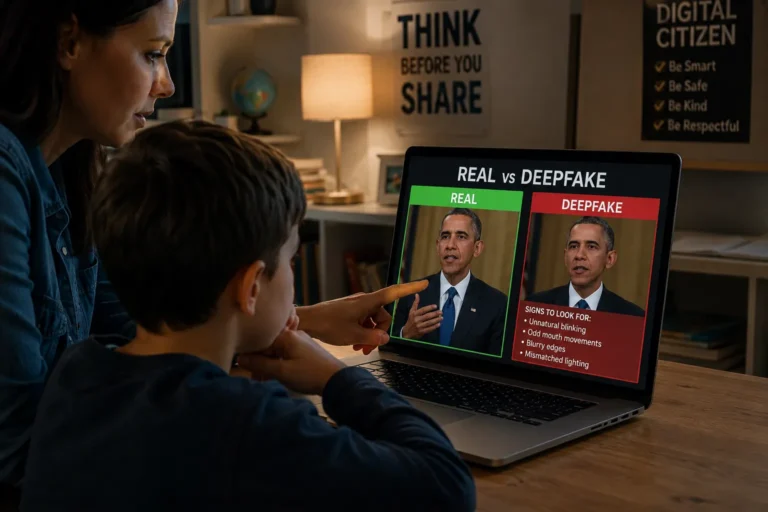
Many children spend several hours each day using digital devices. Parents worry about the effects of constant screen exposure on attention spans, sleep quality, and emotional well-being.
Common concerns include:
- Reduced physical activity
- Difficulty concentrating
- Sleep disruption
- Less face-to-face interaction
- Increased dependence on digital entertainment
Parents often notice positive changes when children spend less time with screens and more time engaged in real-world activities.
Offline Play Builds Creativity
Traditional play encourages children to use their imagination. A cardboard box can become a spaceship, castle, or secret hideout. Simple toys often inspire children to create stories and solve problems on their own.
Creative play helps children:
- Think independently
- Develop storytelling skills
- Improve problem-solving abilities
- Express emotions in healthy ways
Unlike many digital games that follow set rules, open-ended play allows children to create their own experiences.
Children Develop Stronger Social Skills
Offline play creates opportunities for meaningful interaction. Children learn how to communicate, cooperate, negotiate, and resolve disagreements through direct contact with others.
Activities that strengthen social skills include:
- Team sports
- Board games
- Group projects
- Neighborhood play
- Family game nights
These experiences teach lessons that screens cannot fully replace.
Physical Activity Supports Healthy Development
Outdoor play keeps children active and engaged. Running, climbing, jumping, and exploring help build strength, coordination, and confidence.
Parents often encourage activities such as:
- Bike riding
- Hiking
- Playing tag
- Gardening
- Nature exploration
Regular physical activity supports both physical and mental health.
Families Enjoy Better Connections
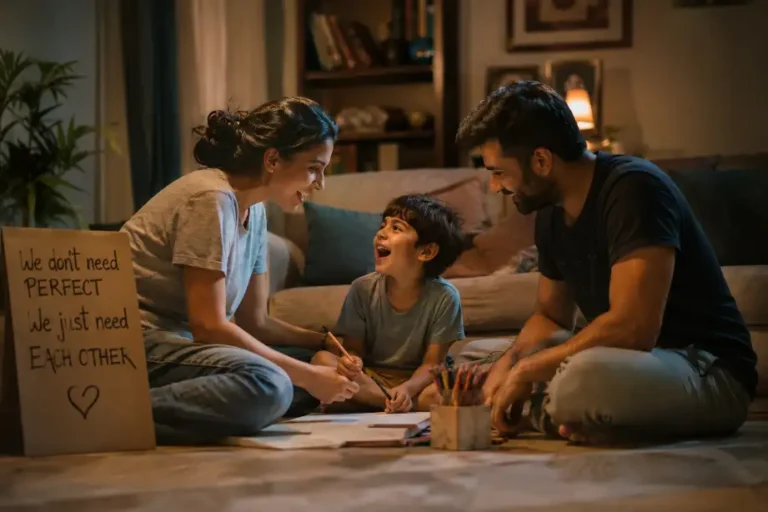
Many parents report stronger family relationships when they limit screen use. Offline activities create opportunities for conversation, shared experiences, and lasting memories.
Simple family activities include:
- Reading together
- Cooking meals
- Playing card games
- Taking walks
- Working on puzzles
These moments help strengthen family bonds and create a sense of connection.
Signs That Children Need More Offline Play
Every child has different needs, but some behaviors may suggest an unhealthy reliance on screens.
Parents often notice:
- Irritability when devices get removed
- Lack of interest in outdoor activities
- Difficulty focusing on non-digital tasks
- Reduced social interaction
- Constant requests for screen time
These signs do not always indicate a serious problem. They can serve as reminders to introduce more balance into a child’s daily routine.
Practical Ways Parents Can Encourage Offline Play
Many parents want to reduce screen time but struggle to make the transition. Small changes often work better than sudden restrictions.
Create Screen-Free Zones
Designate certain areas of the home as screen-free spaces.
Examples include:
- Dining rooms
- Bedrooms
- Family activity rooms
These areas encourage conversation and interaction.
Offer Interesting Alternatives
Children often choose screens because they seem more exciting than available alternatives.
Parents can provide:
- Art supplies
- Building blocks
- Books
- Sports equipment
- Science kits
Interesting options make offline play more appealing.
Schedule Outdoor Time
Children often respond well to routines. Daily outdoor play can become a normal part of family life.
Possible activities include:
- Visiting parks
- Walking pets
- Playing sports
- Exploring nature trails
- Backyard games
Regular outdoor time helps children build healthy habits.
Lead by Example
Children pay close attention to adult behavior. Parents who spend less time on their phones often find it easier to encourage similar habits in their children.
Simple actions include:
- Putting phones away during meals
- Reading physical books
- Participating in family games
- Spending time outdoors
Positive examples often have a strong impact.
Benefits of an Analog Childhood
The Analog Childhood Movement offers advantages that extend far beyond childhood.
Improved Attention and Focus
Children who engage in hands-on activities often practice concentration for longer periods. Reading, building projects, and creative tasks encourage sustained attention.
Greater Independence
Offline activities give children opportunities to make decisions and solve problems without constant digital guidance.
Better Emotional Development
Real-world experiences help children understand emotions, build resilience, and develop coping skills.
Stronger Friendships
Face-to-face interaction creates deeper social connections. Children learn how to communicate effectively and build trust with others.
Lifelong Healthy Habits
Children who enjoy outdoor activities, reading, and creative hobbies often carry those interests into adulthood.
Balancing Technology and Offline Play
The goal of the Analog Childhood Movement is not to eliminate technology. Digital tools remain useful for education, communication, and entertainment.
A balanced approach often includes:
- Setting screen time limits
- Prioritizing outdoor activities
- Encouraging creative hobbies
- Protecting family time
- Using technology with purpose
Children benefit when digital experiences complement real-world activities rather than replace them.
Why This Movement Continues to Grow
Parents increasingly seek ways to help children thrive in a digital age. Many families have discovered that reducing screen dependence creates opportunities for learning, creativity, and stronger relationships.
Communities, schools, and parenting groups continue to support offline activities. Families share ideas, organize outdoor events, and encourage children to engage with the world around them.
The movement continues to gain attention because many parents see positive results in their children’s behavior, happiness, and overall development.
Conclusion
The Analog Childhood Movement reflects a growing desire to bring balance back into children’s lives. Parents recognize the value of technology, yet they also understand the importance of outdoor adventures, imaginative play, meaningful conversations, and hands-on learning. Offline activities help children build creativity, confidence, social skills, and healthy habits that last for years.
F.A.Q
What is the Analog Childhood Movement?
It encourages children to spend more time on offline activities and less time on screens.
Why are parents supporting this movement?
Parents want children to develop stronger social, creative, and physical skills.
Does the movement reject technology completely?
No, it promotes balance rather than complete removal of technology.
What are examples of offline play?
Outdoor games, reading, arts and crafts, board games, and imaginative play.
How does offline play help children?
It supports creativity, social development, physical health, and emotional growth.
Can offline play improve family relationships?
Yes, shared activities often create stronger family connections.
What is the easiest way to start?
Begin with daily screen-free periods and introduce fun alternatives.