The New Village: Building Real-Life Support Systems for Modern Families

Modern parenting often feels like a solo journey. Many families live far from relatives, work demanding schedules, and juggle countless responsibilities every day. In previous generations, parents often relied on grandparents, neighbors, extended family members, and close community connections for support. Today, many mothers and fathers face challenges without that built-in network.
The saying “it takes a village to raise a child” still holds true. Children thrive when they grow up surrounded by caring adults, and parents benefit when they have people they can trust during difficult moments. Building a modern village does not require living in a large community or having dozens of family members nearby. It starts with creating meaningful relationships that offer practical help, emotional support, and a sense of belonging. Families who invest time in building these connections often enjoy less stress, stronger resilience, and a healthier family life.
The New Village: Building Real-Life Support Systems for Modern Families
Creating a support system requires intention and consistency. Strong connections rarely appear overnight. Families can build their own village through simple actions that strengthen trust and create lasting relationships.
Identify Your Support Needs
Before building a support network, take time to understand where you need help.
Ask yourself:
- Do you need occasional childcare assistance?
- Would emotional support help during stressful periods?
- Do you need advice from experienced parents?
- Are you looking for social opportunities for your children?
- Would practical help with transportation or errands make life easier?
Knowing your needs helps you connect with the right people.
Strengthen Relationships With Family Members
Family members often form the foundation of a support system.
Ways to strengthen family connections include:
- Schedule regular family gatherings.
- Create group chats for daily communication.
- Ask for help when needed.
- Offer help in return.
- Keep relatives involved in children’s milestones.
Even family members who live far away can provide emotional encouragement and guidance through regular communication.
Build Friendships With Other Parents
Parents understand challenges that others may not fully relate to. Friendships with fellow parents often become valuable sources of support.
You can meet parents through:
- School events
- Sports programs
- Parenting groups
- Community centers
- Religious organizations
- Children’s extracurricular activities
Focus on building genuine friendships rather than seeking immediate assistance. Trust develops naturally over time.
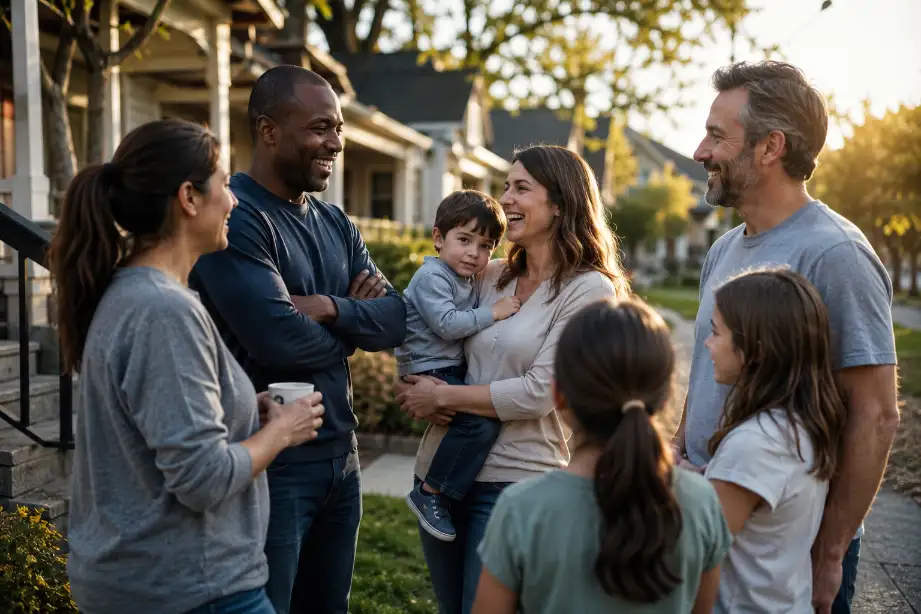
Connect With Your Neighbors
Neighbors can become an important part of your village.
Simple ways to connect include:
- Introducing yourself to nearby families
- Attending neighborhood events
- Organizing casual gatherings
- Participating in community projects
- Offering help during emergencies
Strong neighbor relationships often create a safer and more connected environment for children.
Join Local Community Groups
Community organizations bring families together around shared interests and values.
Examples include:
- Parenting support groups
- Book clubs
- Volunteer organizations
- Sports leagues
- Cultural groups
- Faith-based communities
Regular participation helps create meaningful connections that extend beyond casual interactions.
Learn to Ask for Help
Many parents hesitate to ask for assistance because they fear appearing weak or dependent.
Asking for help shows strength and self-awareness.
Examples of reasonable requests include:
- Watching a child for an hour
- Picking up groceries during an emergency
- Providing transportation to an activity
- Offering advice during a difficult parenting situation
Most people appreciate opportunities to help when requests remain respectful and reasonable.
Give Support to Others
A healthy village depends on mutual support.
You can contribute by:
- Babysitting for a friend
- Sharing parenting resources
- Offering emotional encouragement
- Helping during family emergencies
- Supporting community events
When people support one another, trust grows naturally.
Why Real-Life Support Systems Matter More Than Ever
Modern families face pressures that previous generations rarely experienced.
Common challenges include:
- Busy work schedules
- Rising childcare costs
- Social isolation
- Limited family proximity
- Increased mental stress
- Digital distractions
A strong support network helps families handle these challenges more effectively.
Benefits include:
Reduced Parental Stress
Parents who receive support often feel less overwhelmed. Knowing someone can help during difficult situations provides peace of mind.
Better Mental Health
Meaningful social connections reduce feelings of loneliness and isolation. Parents gain opportunities to share experiences and receive encouragement.
Stronger Child Development
Children benefit from relationships with multiple caring adults. These connections help build confidence, communication skills, and emotional security.
Increased Family Resilience
Families with strong support networks often recover more quickly from unexpected setbacks such as illness, job changes, or personal crises.
Creating a Village in a Digital World
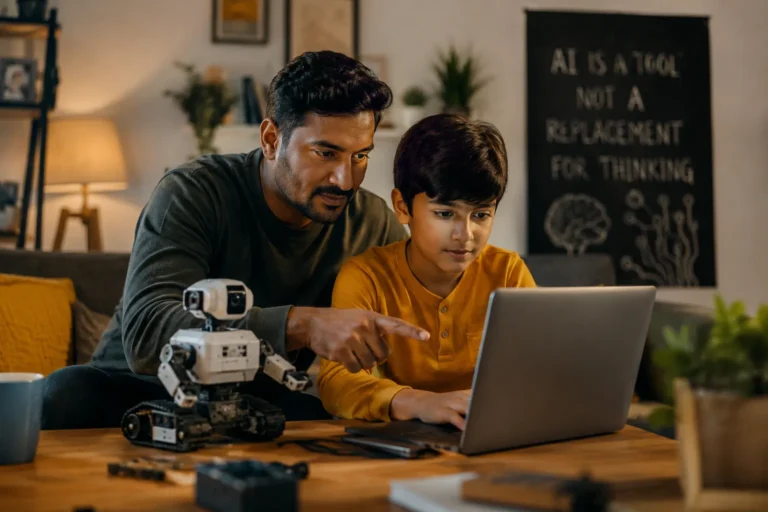
Technology has changed the way families connect. While online communication offers convenience, real-life relationships remain essential.
Families can use technology wisely by:
- Organizing community gatherings through social media
- Participating in local parenting groups
- Scheduling playdates and meetups
- Staying connected with distant relatives
Digital tools should support real-world relationships rather than replace them.
Balance Online and Offline Connections
Many parents spend hours interacting online while lacking meaningful face-to-face relationships.
To create balance:
- Attend local events regularly.
- Meet online friends in safe public settings.
- Encourage children to participate in community activities.
- Prioritize in-person conversations whenever possible.
Real-life interactions often create deeper and longer-lasting bonds.
Teaching Children the Value of Community
Children learn by watching the adults around them. Parents who actively build relationships teach important life skills.
Children gain valuable lessons about:
- Cooperation
- Kindness
- Responsibility
- Empathy
- Trust
- Friendship
Involving children in community activities helps them develop a strong sense of belonging.
Encourage Meaningful Participation
Parents can encourage children to:
- Volunteer in community projects
- Help neighbors
- Participate in team activities
- Attend local events
- Support friends during difficult times
These experiences help children understand the importance of helping others.
Common Barriers to Building a Modern Village
Many families want stronger support systems but face obstacles.
Common barriers include:
Lack of Time
Busy schedules often limit social opportunities.
Solutions:
- Schedule regular community activities.
- Combine social events with children’s activities.
- Prioritize quality interactions over quantity.
Fear of Rejection
Some parents worry about reaching out to others.
Solutions:
- Start with small conversations.
- Attend recurring events.
- Focus on shared interests.
Frequent Relocation
Many families move for work or personal reasons.
Solutions:
- Join local groups quickly after moving.
- Introduce yourself to neighbors.
- Participate in school activities.
Building connections takes effort, but consistent action often produces positive results.
Conclusion
The New Village: Building Real-Life Support Systems for Modern Families reminds us that parenting works best when people support one another. Families no longer need to depend solely on traditional extended-family structures to create meaningful connections. Friends, neighbors, community groups, teachers, and fellow parents can all become valuable members of a modern village.
F.A.Q
What is a modern family village?
A modern family village consists of trusted people who provide support, guidance, and assistance to parents and children.
Why do families need support systems today?
Support systems help families manage stress, childcare responsibilities, and everyday challenges.
How can parents build a support network?
Parents can connect through schools, community groups, neighborhoods, and local activities.
Can friends become part of a family village?
Yes, trusted friends often provide valuable emotional and practical support.
Do online communities replace real-life support?
No, online groups help with communication, but face-to-face relationships remain important.
How does a support system benefit children?
Children gain emotional security, social skills, and positive role models.
How long does it take to build a strong village?
Building trust and meaningful relationships often takes months or years of consistent effort.