
The End of Perfect Parenting: Why Authentic Parenting Wins in 2026

Parenting has changed dramatically over the last few years. Social media, parenting influencers, and endless advice from experts have created a picture of what many people believe parenting should look like. Parents often feel pressure to stay calm at all times, make the right decisions, and raise children without mistakes. This pressure can leave families feeling stressed and disconnected.
In 2026, many parents have started moving away from the idea of perfection. They now focus on authenticity instead. Authentic parenting encourages honesty, emotional connection, and realistic expectations. Children do not need perfect parents. They need caring adults who listen, learn, and grow alongside them. This shift helps families build stronger relationships and creates an environment where children feel accepted for who they are. Authentic parenting has become a practical and healthy approach that fits modern family life.
The End of Perfect Parenting: Why Authentic Parenting Wins in 2026
The concept of perfect parenting has lost its appeal because it sets impossible standards. No parent can meet every need, avoid every mistake, or create a flawless home environment. Authentic parenting offers a healthier path by focusing on connection rather than perfection.
What Is Authentic Parenting?
Authentic parenting means showing up as your real self while guiding your children with love and responsibility. Parents remain honest about their feelings, admit mistakes, and create open communication within the family.
Authentic parents:
- Accept that mistakes happen
- Communicate honestly with their children
- Set realistic expectations
- Focus on growth instead of perfection
- Model emotional awareness
- Encourage individuality
Children learn valuable life skills when they see adults handling challenges honestly and respectfully.
Why Perfect Parenting No Longer Works
Many parents spend hours comparing themselves to others online. They see carefully edited family photos, success stories, and parenting tips that appear flawless. These comparisons create unnecessary pressure.
Perfect parenting often leads to:
- Parent burnout
- Constant self-criticism
- Anxiety about making mistakes
- Unrealistic expectations for children
- Reduced emotional connection
Children can also feel pressure when parents expect perfection from themselves and their families. This environment may limit emotional expression and personal growth.
How Authentic Parenting Benefits Children
Children thrive when they feel safe, understood, and accepted. Authentic parenting creates these conditions naturally.
Key benefits include:
- Higher self-confidence
- Better emotional regulation
- Stronger communication skills
- Increased resilience
- Healthier relationships
When parents admit mistakes and apologize, children learn accountability. When parents express emotions in healthy ways, children learn emotional intelligence.
Practical Ways to Practice Authentic Parenting
Parents can embrace authenticity through small daily actions.
Admit Your Mistakes
No parent gets everything right. If you lose patience or make a poor decision, acknowledge it.
For example:
“I was frustrated earlier and raised my voice. I’m sorry. I should have handled that better.”
This simple act teaches responsibility and respect.
Listen More Than You Lecture
Children want to feel heard. Give them opportunities to share thoughts and feelings without immediate judgment or correction.
Active listening includes:
- Making eye contact
- Asking follow-up questions
- Avoiding interruptions
- Validating emotions
Let Children See Healthy Emotions
Children need examples of emotional expression. You do not need to hide every feeling.
You can say:
“I’m feeling stressed today, so I’m going to take a short break and calm down.”
This approach shows children healthy coping strategies.
Stop Chasing Perfection
Replace unrealistic goals with realistic ones.
Instead of:
- Having a spotless home every day
- Never making parenting mistakes
- Managing every situation perfectly
Focus on:
- Building trust
- Creating meaningful conversations
- Supporting your child’s development
Why 2026 Parents Prefer Connection Over Control
Parenting trends in 2026 focus heavily on emotional connection. Families recognize that strong relationships create lasting positive outcomes.
Children respond better when parents guide them through cooperation rather than control.
Connection-based parenting includes:
- Family discussions
- Shared problem-solving
- Respectful boundaries
- Emotional support
This style helps children develop independence while maintaining a strong bond with their parents.
Building Trust Through Everyday Moments
Trust grows through consistent interactions rather than major parenting decisions.
Simple ways to build trust include:
- Keeping promises
- Respecting privacy when appropriate
- Spending quality time together
- Showing interest in your child’s hobbies
- Supporting their opinions
Children who trust their parents often communicate more openly during difficult situations.
The Role of Mental Health in Modern Parenting
Mental health awareness has become a major topic among families. Parents now understand that their emotional well-being affects their children.
Healthy parenting starts with self-care.
Parents can support their mental health by:
- Setting boundaries
- Taking regular breaks
- Seeking support when needed
- Maintaining friendships
- Practicing stress-management habits
A parent who cares for their own well-being often has more patience, energy, and emotional availability.
Breaking Generational Parenting Patterns
Many parents in 2026 actively examine the parenting styles they experienced during childhood.
They ask questions such as:
- Which habits helped me?
- Which habits caused harm?
- What values do I want to pass on?
This reflection allows parents to keep positive traditions while replacing unhealthy behaviors.
How Technology Influences Authentic Parenting
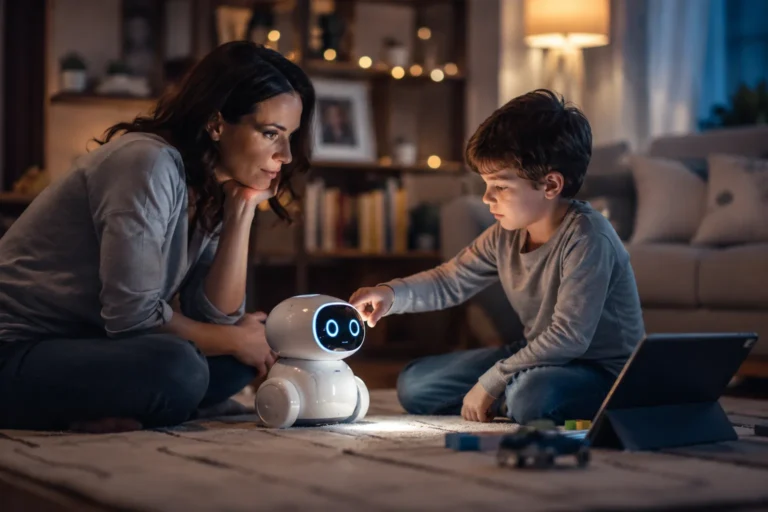
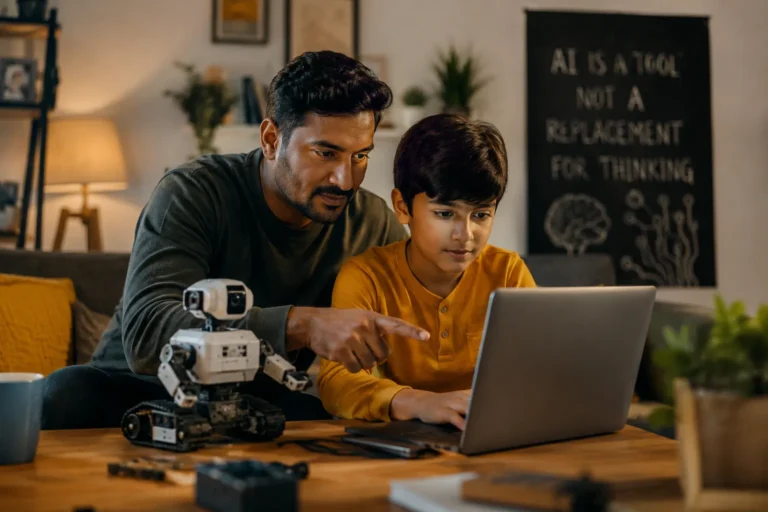
Technology plays a large role in family life. Authentic parenting encourages mindful technology use rather than complete avoidance.
Healthy technology habits include:
- Setting screen-time boundaries
- Discussing online safety
- Participating in digital activities together
- Creating device-free family moments
Parents who openly discuss technology create healthier digital relationships with their children.
Teaching Digital Responsibility
Children need guidance as they spend more time online.
Important lessons include:
- Respectful online communication
- Privacy protection
- Critical thinking
- Responsible content sharing
These skills help children navigate digital spaces with confidence and awareness.
Authentic Parenting Creates Stronger Families
Families grow stronger when members feel accepted and valued.
Authentic parenting encourages:
- Honest conversations
- Mutual respect
- Emotional safety
- Personal growth
Children do not expect perfection from their parents. They value consistency, care, and understanding. Families that embrace authenticity often experience deeper connections and greater resilience during challenges.
Conclusion
The End of Perfect Parenting: Why Authentic Parenting Wins in 2026 reflects a growing shift in how families approach raising children. Parents no longer need to chase unrealistic standards or compare themselves to carefully curated images online. Authentic parenting focuses on honesty, connection, and growth.
Children benefit when they see real emotions, healthy communication, and accountability in action. Families become stronger when they accept imperfections and work together through challenges. In 2026, success in parenting does not come from being flawless.
F.A.Q
What is authentic parenting?
Authentic parenting means raising children with honesty, empathy, and realistic expectations.
Why is perfect parenting harmful?
It creates stress, unrealistic standards, and unnecessary pressure for both parents and children.
How does authentic parenting help children?
It builds confidence, emotional intelligence, and stronger communication skills.
Can parents make mistakes and still be good parents?
Yes, admitting mistakes and learning from them helps children develop healthy values.
Why is emotional connection important in parenting?
Strong emotional bonds help children feel secure, supported, and understood.
How can parents become more authentic?
They can practice honesty, listen actively, and accept that perfection is impossible.
Is authentic parenting effective for teenagers?
Yes, it encourages trust, open communication, and stronger family relationships during adolescence.