Phone-Free Parenting: Why Your Child Watches Your Screen Habits

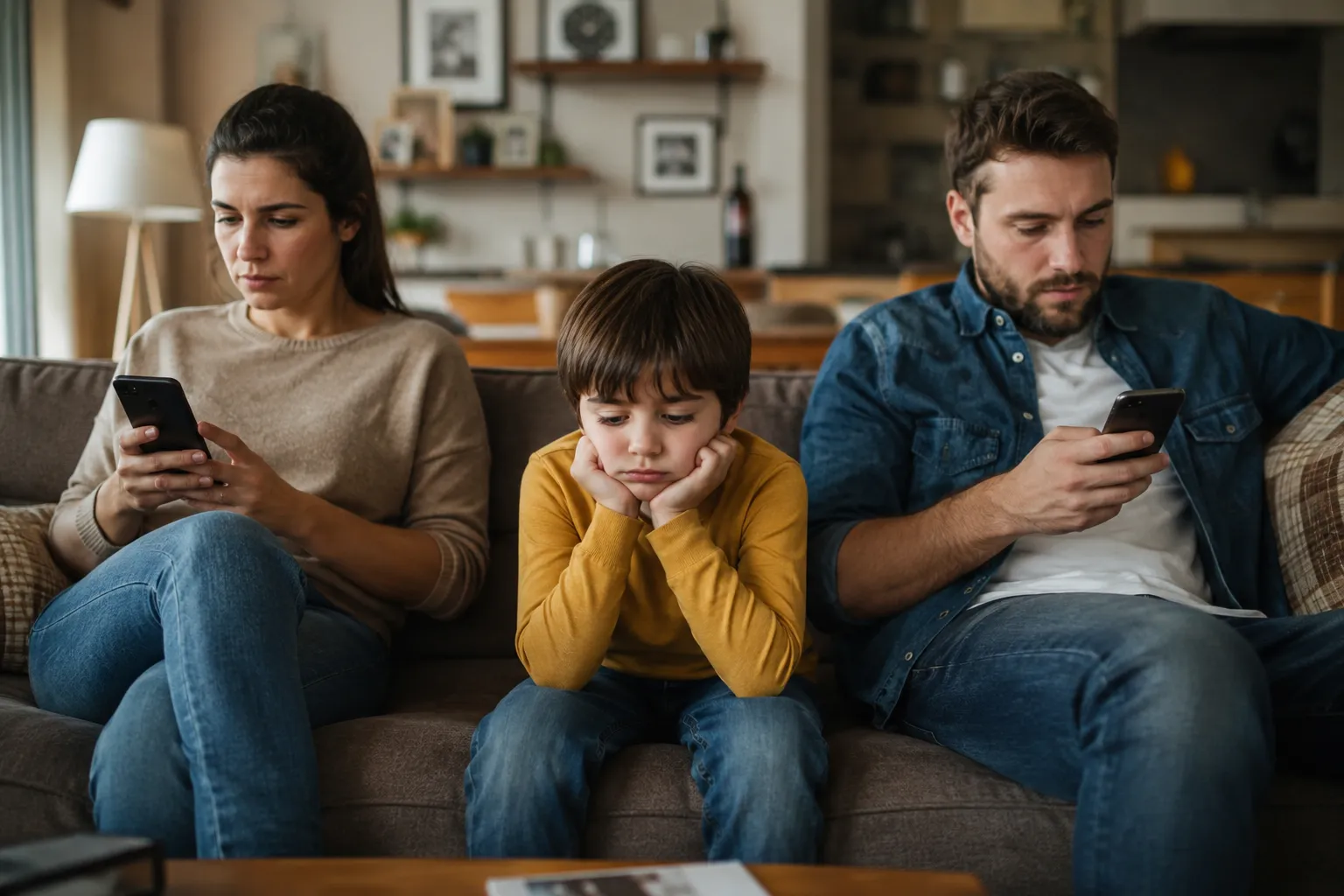
Parenting in the digital age brings a challenge many families never faced before. Parents often focus on limiting their child’s screen time while overlooking their own phone habits. Children pay close attention to what adults do every day. They learn from actions more than words. When a parent checks notifications during meals, scrolls through social media during conversations, or keeps a phone within reach at all times, children notice those behaviors.
Phone-free parenting does not require giving up technology. It encourages parents to build healthier boundaries around devices and create stronger family connections. When parents become aware of their screen habits, they set a positive example that helps children develop balanced relationships with technology. Small daily changes can shape a child’s attitude toward screens for years to come.
Phone-Free Parenting: Why Your Child Watches Your Screen Habits
Children learn through observation. They study facial expressions, routines, reactions, and habits. A parent’s relationship with technology becomes part of that learning process.
Many parents tell children to spend less time on screens while spending hours on their own devices. This mixed message creates confusion. Children often follow what they see instead of what they hear.
Children Copy Everyday Behaviors
Young children treat parents as their first role models. When they repeatedly see adults using phones during family moments, they begin to view that behavior as normal.
Common examples include:
- Checking messages during meals
- Using phones while watching television
- Scrolling before bedtime
- Looking at notifications during conversations
- Carrying phones from room to room
Children often imitate these actions because they associate them with adulthood and social acceptance.
Screens Compete With Family Attention
Children seek attention from their parents. When a phone interrupts conversations, playtime, or family activities, children may feel less valued.
Signs that screen distractions affect family interactions include:
- Shorter conversations
- Reduced eye contact
- Less active listening
- Frequent interruptions
- Lower engagement during family activities
Regular face-to-face interaction helps children develop communication skills, emotional awareness, and confidence.
Your Habits Shape Their Future Habits
Children who grow up around constant phone use may struggle to set healthy boundaries later in life. They often view excessive screen use as a normal part of daily living.
Parents who demonstrate balance teach children how to:
- Use technology with purpose
- Take breaks from screens
- Prioritize relationships
- Focus on real-world activities
- Manage digital distractions
These lessons become valuable throughout childhood and adulthood.
Practical Ways to Model Healthy Phone Use
Phone-free parenting starts with small adjustments rather than major lifestyle changes.
Try these strategies:
Create Phone-Free Family Zones
Choose specific areas where devices stay away.
Examples include:
- Dining tables
- Bedrooms
- Homework spaces
- Family game areas
These spaces encourage conversation and connection.
Set Phone-Free Hours
Designate certain times for family interaction without devices.
Good options include:
- Breakfast time
- Dinner time
- Family outings
- Evening routines
- Weekend activities
Consistent routines help children understand expectations.
Put the Phone Away During Conversations
When your child speaks, give full attention.
Simple actions include:
- Making eye contact
- Listening without checking notifications
- Responding thoughtfully
- Asking follow-up questions
These behaviors strengthen trust and communication.
Use Technology With Intention
Before picking up a phone, ask yourself why.
Consider whether you need to:
- Make a call
- Send a message
- Complete a task
- Find information
Avoid mindless scrolling whenever possible.
How Phone-Free Parenting Strengthens Parent-Child Relationships
Strong relationships develop through shared experiences and meaningful interactions. Reducing phone distractions creates more opportunities for both.
Better Communication
Children open up when they feel heard. Parents who stay present during conversations often learn more about their child’s thoughts, worries, and achievements.
Better communication leads to:
- Greater trust
- Stronger emotional bonds
- Improved problem-solving
- Increased confidence
More Quality Time
Quality time does not require expensive activities. Children often remember simple moments spent together.
Examples include:
- Reading books
- Cooking meals
- Taking walks
- Playing board games
- Talking about the day
Removing phones from these moments increases engagement.
Improved Emotional Connection
Children rely on facial expressions and body language to understand emotions. Phone distractions reduce these important signals.
When parents stay present, children feel:
- Appreciated
- Understood
- Supported
- Secure
These feelings contribute to healthy emotional development.
The Hidden Effects of Excessive Parental Phone Use
Many parents underestimate how much their phone habits influence family life.
Reduced Attention Span
Children exposed to frequent interruptions may develop difficulty maintaining focus.
Constant switching between screens and conversations can make sustained attention harder for both parents and children.
Increased Behavioral Issues
Some children act out when they compete with devices for attention. They may become louder, more demanding, or more emotional.
Behavioral challenges often decrease when parents increase direct engagement.
Weaker Family Routines
Strong routines create stability. Excessive phone use can interfere with:
- Meal schedules
- Bedtime rituals
- Homework support
- Family discussions
Consistent routines help children feel secure and organized.
Creating a Balanced Digital Environment at Home
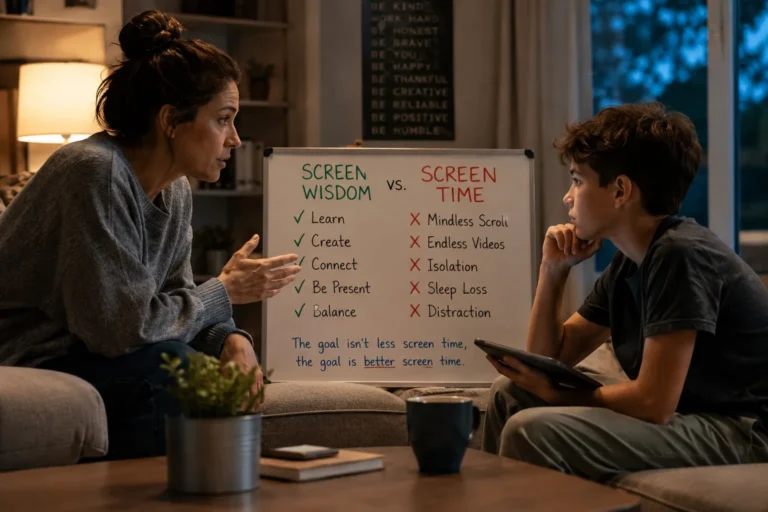
Technology remains an important part of modern life. The goal involves balance rather than elimination.
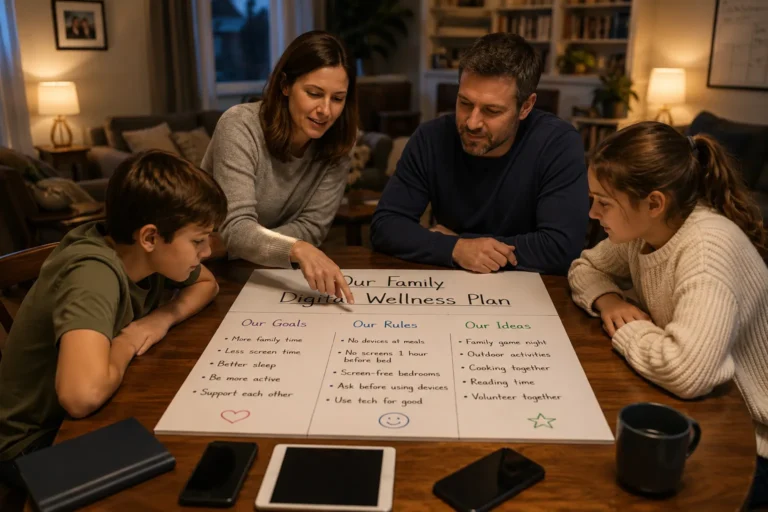
Establish Family Technology Rules
Create guidelines that apply to everyone.
Examples include:
- No phones during meals.
- Devices stay outside bedrooms at night.
- Family activities come before screen time.
- Conversations take priority over notifications.
- Screen breaks happen throughout the day.
Children respond better when parents follow the same rules.
Encourage Offline Activities
Children benefit from experiences that do not involve screens.
Consider activities such as:
- Outdoor play
- Sports
- Arts and crafts
- Gardening
- Music
- Reading
- Building projects
These activities support creativity and problem-solving skills.
Celebrate Real-Life Connections
Focus on moments that bring family members together.
Ideas include:
- Weekly game nights
- Family walks
- Shared hobbies
- Weekend adventures
- Storytelling sessions
Positive experiences reduce dependence on digital entertainment.
Building Long-Term Digital Awareness
Phone-free parenting teaches more than screen limits. It teaches self-control, mindfulness, and healthy decision-making.
Parents who model balanced technology use help children understand that devices serve a purpose but should not control daily life.
Children learn valuable lessons when they see adults:
- Prioritize relationships
- Respect personal boundaries
- Stay present during conversations
- Manage distractions effectively
- Use technology responsibly
These habits support healthier digital behavior throughout life.
F.A.Q
Why do children copy their parents’ phone habits?
Children learn through observation and often imitate behaviors they see regularly.
What is phone-free parenting?
Phone-free parenting focuses on reducing device distractions during important family interactions.
Should parents completely avoid smartphones?
No, parents should use technology responsibly and set healthy boundaries.
How can parents reduce phone distractions at home?
They can create phone-free zones and schedule device-free family time.
Does parental phone use affect child behavior?
Yes, excessive phone distractions can lead to attention-seeking behaviors and weaker communication.
What are the benefits of phone-free family time?
It improves communication, strengthens relationships, and increases emotional connection.
How can families create healthier screen habits?
They can establish shared rules, encourage offline activities, and model balanced technology use.