
Teaching Children Healthy Boundaries With Smart Devices and AI Assistants

Smart devices and AI assistants have become part of everyday family life. Children use tablets for learning, ask voice assistants questions, and interact with AI-powered tools for entertainment and schoolwork. While these technologies offer convenience and learning opportunities, they also create new challenges for parents. Children may spend too much time on screens, share personal information without understanding the risks, or become overly dependent on digital assistance.
Parents play a key role in helping children develop healthy habits around technology. Setting clear limits and teaching responsible use can help children enjoy the benefits of smart devices while avoiding common problems. When families create healthy boundaries early, children learn self-control, digital responsibility, and balanced technology use that can serve them throughout their lives.
Teaching Children Healthy Boundaries With Smart Devices and AI Assistants
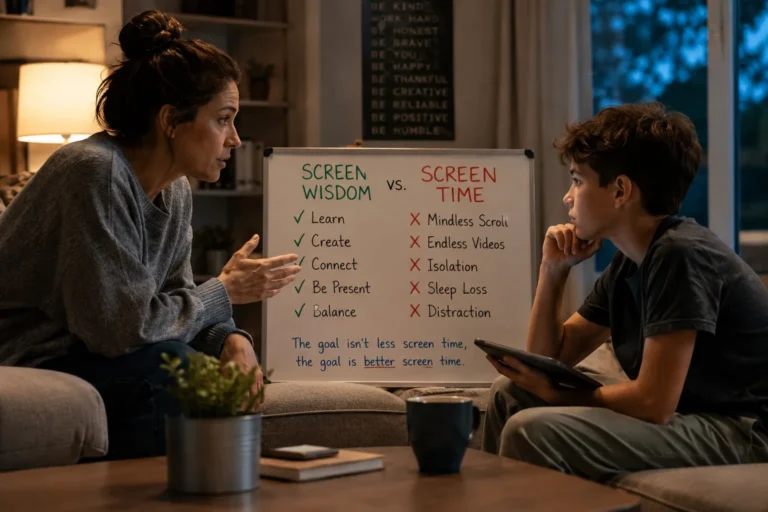
Creating healthy boundaries does not mean removing technology from a child’s life. It means teaching children when, where, and how to use these tools responsibly.
Explain What Smart Devices and AI Assistants Do
Many children view AI assistants as friendly helpers without understanding how they work. Start by explaining their purpose in simple language.
Teach children that:
- AI assistants provide information and answers.
- They cannot replace parents, teachers, or friends.
- They may sometimes give incorrect information.
- They collect certain types of data during use.
Children who understand these basics make better decisions when interacting with technology.
Set Clear Screen Time Limits
Screen time boundaries help children develop a balanced lifestyle.
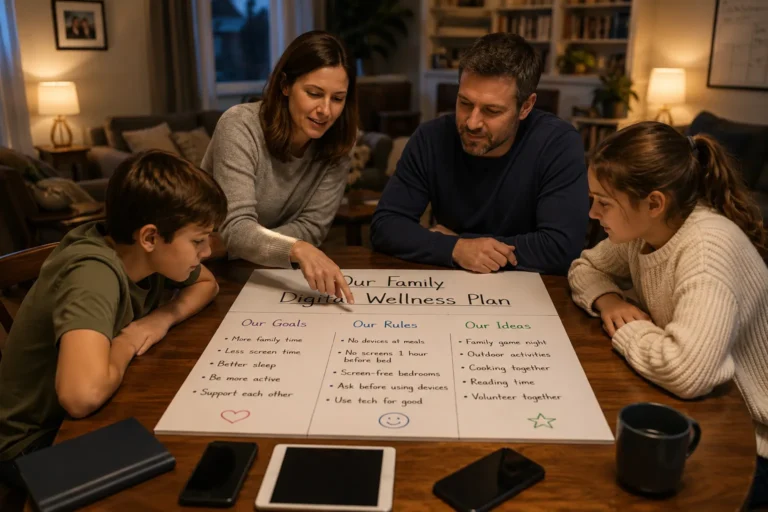
Consider setting rules such as:
- No devices during meals.
- Screen-free family time each evening.
- Limited recreational screen use after homework.
- No smart devices before bedtime.
Consistent rules reduce arguments and help children know what to expect.
Create Device-Free Zones
Certain areas of the home should encourage face-to-face interaction and relaxation.
Good device-free zones include:
- Dining rooms
- Bedrooms
- Family gathering spaces
- Study areas during homework sessions
These spaces help children focus on relationships, rest, and learning.
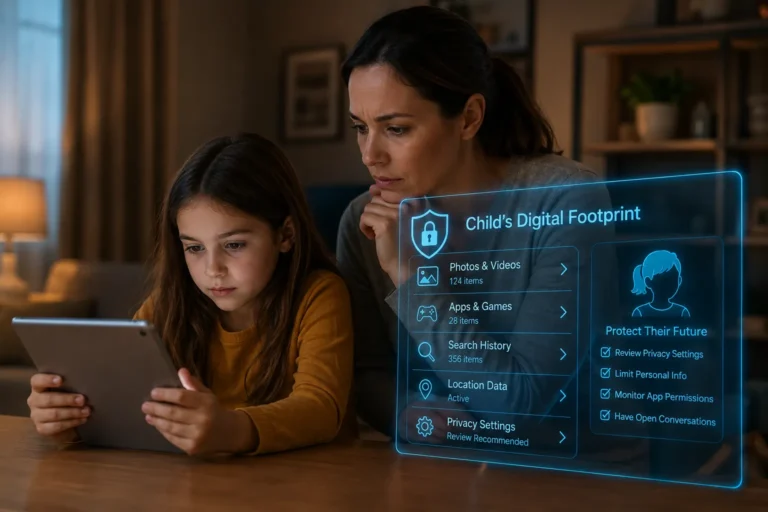
Teach Privacy and Personal Information Safety
Children often share information without recognizing potential risks.
Teach them never to share:
- Full names
- Home addresses
- Phone numbers
- School names
- Passwords
- Family financial information
Explain that smart devices and AI tools should never become places for sharing private details.
Encourage Critical Thinking
Children may assume every answer from an AI assistant is correct.
Help them build healthy skepticism by encouraging questions such as:
- Who provided this information?
- Does it match what I learned at school?
- Can I verify this information elsewhere?
- Would a trusted adult agree with this answer?
Critical thinking helps children become informed technology users.
Monitor Usage Without Constant Control
Children need guidance, but they also need opportunities to practice responsibility.
Parents can:
- Review device activity regularly.
- Discuss online experiences openly.
- Set expectations in advance.
- Offer guidance when mistakes happen.
Open communication often works better than strict surveillance.
Teach Respectful Communication
Children should treat digital interactions with the same respect they show in real life.
Discuss:
- Kind language
- Respectful questions
- Appropriate online behavior
- Digital citizenship
Good habits online often reflect good habits offline.
Why Healthy Technology Boundaries Matter
Children develop lifelong habits during their early years. Healthy boundaries help them build positive relationships with technology.
Better Emotional Health
Excessive screen use can affect mood, attention, and emotional regulation.
Healthy boundaries can help children:
- Manage frustration
- Improve focus
- Maintain emotional balance
- Reduce overstimulation
Balanced technology use supports stronger emotional development.
Improved Sleep Quality
Many smart devices emit light that can interfere with sleep patterns.
Families can support better sleep by:
- Turning off devices one hour before bedtime.
- Keeping devices outside bedrooms.
- Creating calming bedtime routines.
Good sleep improves learning, behavior, and overall well-being.
Stronger Family Relationships
Technology should support family life rather than replace it.
When families spend time together without devices, children gain:
- Better communication skills
- Stronger emotional connections
- Greater confidence
- More opportunities for meaningful conversations
Simple family activities often create lasting memories.
Greater Independence
Children who rely heavily on AI assistants may stop solving problems on their own.
Healthy boundaries encourage children to:
- Think independently
- Complete tasks without digital help
- Practice decision-making
- Build confidence in their abilities
Independence remains an important life skill despite advances in technology.
Signs That a Child Needs Stronger Technology Boundaries
Parents should watch for warning signs that indicate technology use may need adjustment.
Common signs include:
- Irritability when devices are removed
- Difficulty focusing on schoolwork
- Reduced interest in hobbies
- Poor sleep habits
- Avoiding social interactions
- Excessive dependence on AI for simple tasks
Early action can prevent small issues from becoming larger problems.
Practical Family Rules for Smart Devices and AI Assistants
Every family has different needs, but simple rules often work best.
Create a Family Technology Agreement
A written agreement helps children understand expectations.
Include rules about:
- Daily screen limits
- Privacy protection
- Appropriate content
- Device-free times
- Consequences for broken rules
Review the agreement regularly as children grow.
Model Healthy Technology Habits
Children often copy what they see.
Parents can set positive examples by:
- Limiting their own screen use
- Avoiding phones during conversations
- Prioritizing family interactions
- Following household technology rules
Children learn powerful lessons from observation.
Schedule Offline Activities
Fun alternatives make technology boundaries easier to follow.
Encourage activities such as:
- Reading books
- Outdoor play
- Sports
- Arts and crafts
- Family board games
- Community activities
Offline experiences support healthy development and creativity.
Helping Children Use AI Assistants Responsibly
AI assistants will likely remain part of children’s lives for years to come. Teaching responsible use now prepares them for the future.
Encourage children to use AI for:
- Learning new topics
- Research assistance
- Educational activities
- Creative brainstorming
Discourage using AI for:
- Replacing critical thinking
- Completing all schoolwork
- Making important personal decisions
- Sharing private information
Children benefit most when AI serves as a tool rather than a substitute for effort and judgment.
Conclusion
Teaching children healthy boundaries with smart devices and AI assistants requires patience, consistency, and open communication. Technology continues to shape childhood experiences, making parental guidance more important than ever. Clear rules, privacy education, balanced screen time, and critical thinking skills help children use digital tools responsibly.
F.A.Q
What age should children start using AI assistants?
Parents should introduce AI assistants when children can understand basic safety and privacy rules.
How much screen time is appropriate for children?
The right amount depends on age, activities, and family values.
Should children use AI for homework?
Children can use AI for guidance and research but should complete their own work.
Why are device-free zones important?
They encourage family interaction, focus, and healthy daily routines.
Can AI assistants give incorrect answers?
Yes, AI assistants can make mistakes and provide inaccurate information.
How can parents protect children’s privacy online?
Teach children never to share personal information through devices or apps.
What is the biggest benefit of healthy technology boundaries?
Healthy boundaries help children develop balanced and responsible technology habits.