How to Build a Family Digital Wellness Plan for 2026

Technology shapes how families communicate, learn, work, and relax. Screens now play a role in nearly every part of daily life. While digital tools offer many benefits, excessive screen use can affect sleep, focus, relationships, and physical health. Many parents struggle to create healthy technology habits without causing constant arguments at home.
A family digital wellness plan gives everyone clear guidelines for using devices in a balanced way. It helps family members stay connected while avoiding unhealthy habits. As technology continues to grow in 2026, families need practical strategies that fit modern lifestyles. A well-designed plan creates structure, encourages responsibility, and helps every family member develop a healthier relationship with technology.
How to Build a Family Digital Wellness Plan for 2026
Creating a digital wellness plan requires teamwork, clear goals, and consistent habits. Every family has different needs, so the plan should reflect your household values and routines.
Start with a Family Discussion
The first step involves bringing everyone together for an open conversation about technology use.
Discuss topics such as:
- Daily screen time habits
- Favorite apps and activities
- Online learning requirements
- Social media use
- Gaming habits
- Digital distractions
Allow children to share their opinions. When family members contribute to the plan, they become more willing to follow it.
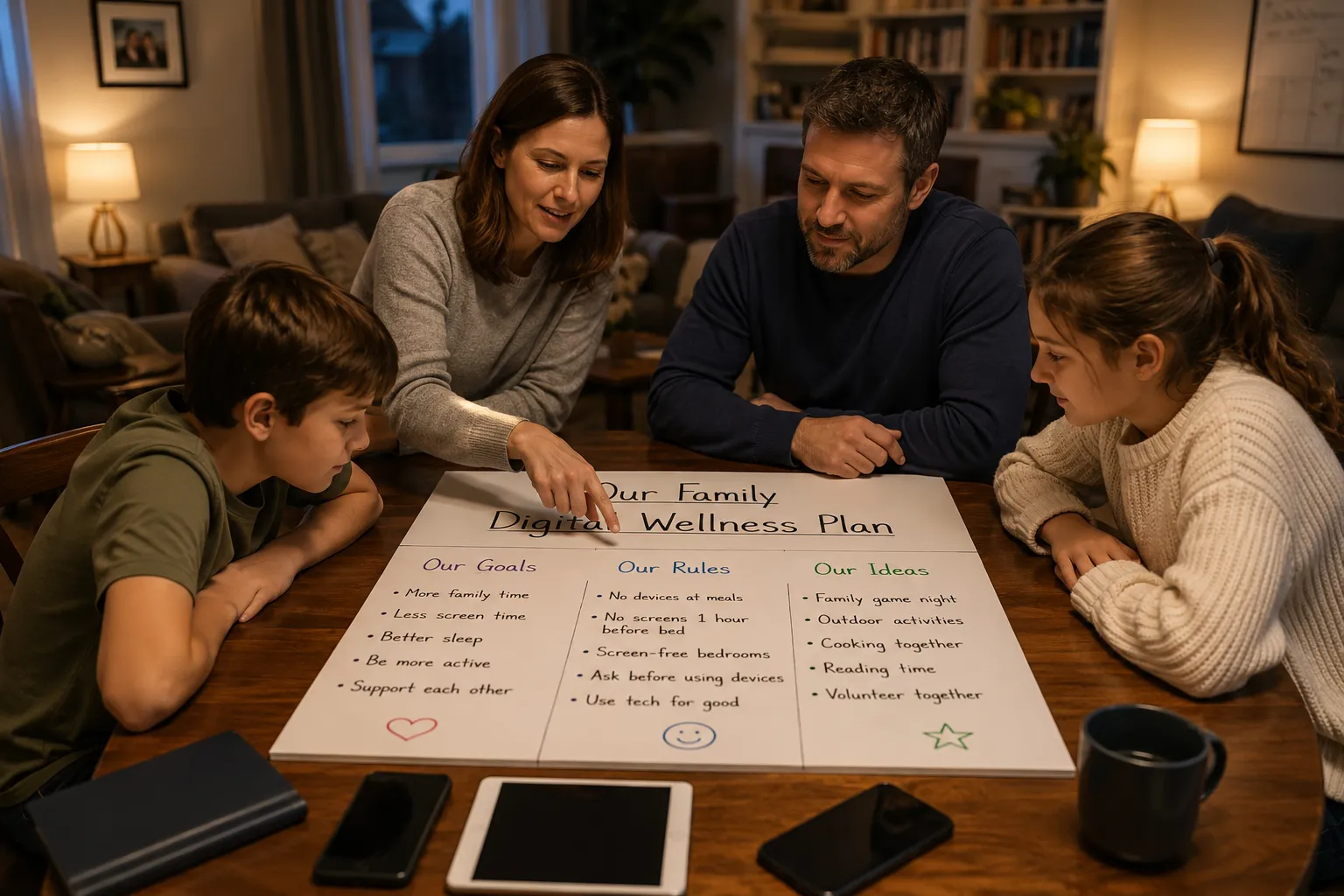
Set Clear Family Goals
Define what healthy technology use looks like for your family.
Examples include:
- Spending more time together.
- Reducing unnecessary screen time.
- Improving sleep quality.
- Increasing outdoor activities.
- Encouraging focused study sessions.
Write these goals down and place them somewhere visible.
Create Screen-Free Zones
Certain spaces should encourage face-to-face interaction.
Common screen-free areas include:
- Dining rooms
- Family meal tables
- Bedrooms
- Study spaces during homework sessions
These zones help reduce distractions and improve communication between family members.
Establish Device-Free Times
Time boundaries often work better than strict device bans.
Consider setting device-free periods such as:
- During meals
- One hour before bedtime
- Family gatherings
- Weekend outings
- Homework periods
Consistent schedules help children understand expectations.
Build Age-Appropriate Rules
Different age groups need different guidelines.
For younger children:
- Limit entertainment screen time.
- Monitor content closely.
- Encourage educational activities.
For teenagers:
- Discuss responsible social media behavior.
- Teach online privacy practices.
- Set reasonable screen-time limits.
- Encourage self-management skills.
Rules should match maturity levels and responsibilities.
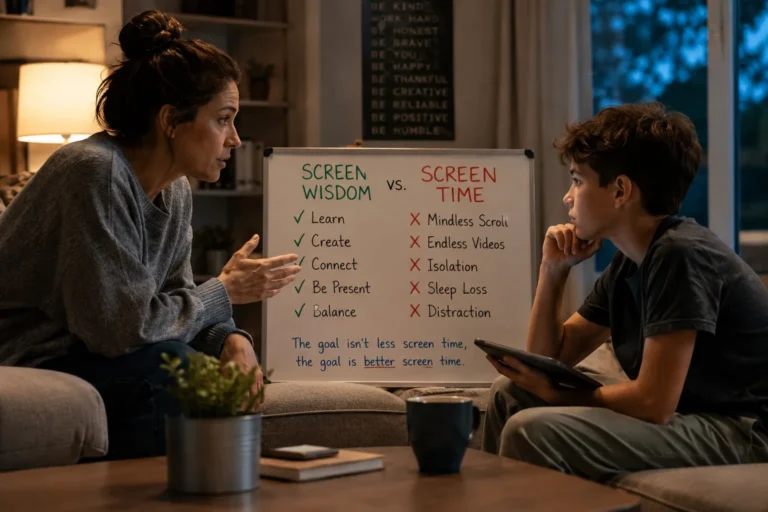
Focus on Quality Over Quantity
Not all screen time creates the same impact.
Positive digital activities include:
- Educational videos
- Online learning platforms
- Creative projects
- Coding activities
- Digital art
- Skill-building courses
Encourage activities that support growth rather than endless scrolling.
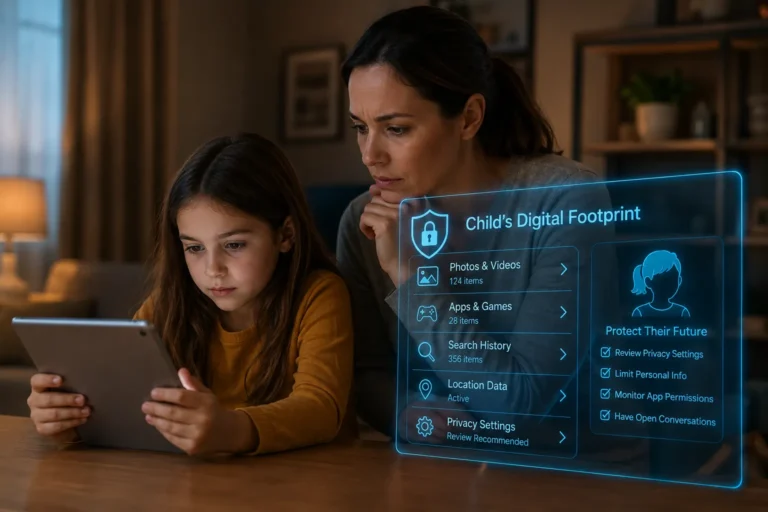
Use Technology Tracking Tools
Many devices offer built-in screen-time reports.
Review these reports regularly to:
- Identify excessive usage
- Spot unhealthy habits
- Adjust family guidelines
- Track progress toward goals
Use the data as a conversation starter rather than a punishment tool.
Lead by Example
Children often copy adult behavior.
Parents should:
- Put phones away during meals
- Avoid constant notifications
- Spend time on offline activities
- Follow family rules themselves
Healthy habits become easier when everyone participates equally.
Why Digital Wellness Matters More in 2026
Digital technology continues to expand into every aspect of life. Virtual learning, remote work, social networking, and entertainment platforms occupy a larger space than ever before.
Without healthy boundaries, excessive device use can lead to:
- Reduced physical activity
- Poor sleep patterns
- Lower concentration levels
- Increased family conflicts
- Emotional stress
A digital wellness plan creates balance and helps families maintain stronger personal connections.
The Growing Influence of Artificial Intelligence
Many digital platforms now use advanced recommendation systems that encourage longer engagement.
Families should teach children how these systems work and encourage mindful usage. Understanding digital influence helps users make better choices online.
Increased Online Social Interaction
Many friendships now develop through digital channels.
Parents should teach children:
- Online safety practices
- Respectful communication
- Cyberbullying awareness
- Privacy protection
Digital wellness includes emotional health as much as screen-time management.
Healthy Activities to Include in Your Family Routine
A digital wellness plan should focus on adding positive habits rather than simply reducing screen time.
Encourage Outdoor Activities
Outdoor experiences improve both physical and mental health.
Ideas include:
- Family walks
- Cycling
- Gardening
- Sports activities
- Nature exploration
Regular outdoor time creates a healthy balance with digital activities.
Schedule Family Connection Time
Strong family relationships support emotional well-being.
Try activities such as:
- Board games
- Cooking together
- Storytelling sessions
- Family movie nights
- Shared hobbies
Meaningful interaction strengthens family bonds.
Promote Reading Habits
Books help improve concentration and creativity.
Create reading routines by:
- Setting daily reading periods
- Visiting libraries
- Sharing book recommendations
- Reading together as a family
Reading provides a valuable break from digital stimulation.
Encourage Creative Projects
Creative activities offer productive alternatives to screens.
Examples include:
- Drawing
- Painting
- Music practice
- Craft projects
- Writing stories
- Building models
These activities help children develop new skills while reducing dependence on devices.
Common Challenges and How to Handle Them
Every family encounters obstacles when creating new habits.
Resistance to New Rules
Children may push back when screen limits change.
Handle resistance by:
- Explaining the reasons behind rules
- Involving children in decisions
- Introducing changes gradually
- Remaining consistent
Patience often leads to better results than strict enforcement.
Busy Family Schedules
Work, school, and extracurricular activities can make consistency difficult.
Simplify the plan by focusing on a few key habits:
- Device-free meals
- Screen-free bedtime routines
- Weekly family activities
Small improvements often produce lasting results.
Social Media Pressure
Teenagers often face pressure to stay connected constantly.
Teach them to:
- Manage notifications
- Take regular breaks
- Avoid comparing themselves to others
- Prioritize real-life relationships
Healthy social media habits support emotional well-being.
Signs Your Family Digital Wellness Plan Is Working
Progress becomes visible through daily behaviors and family interactions.
Positive signs include:
- Better sleep quality
- More family conversations
- Reduced screen-related arguments
- Improved focus at school
- Increased outdoor activity
- Greater self-control around devices
Review your plan every few months and make adjustments as family needs change.
Creating a Long-Term Digital Wellness Culture
A successful digital wellness plan should become part of family life rather than a temporary project.
Keep the plan active by:
- Reviewing rules regularly.
- Updating goals each year.
- Celebrating progress.
- Discussing new technologies openly.
- Encouraging responsible digital citizenship.
Families that adapt together often maintain healthier technology habits over time.
F.A.Q
What is a family digital wellness plan?
A family digital wellness plan outlines healthy rules and habits for technology use at home.
Why do families need a digital wellness plan in 2026?
Families need it to maintain balance as technology becomes a larger part of daily life.
How much screen time is healthy for children?
Healthy screen time depends on age, responsibilities, and the quality of content used.
Should parents follow the same digital rules?
Yes, children respond better when parents model the behaviors they expect.
What is the best screen-free time for families?
Meals and the hour before bedtime often work well as screen-free periods.
How often should a digital wellness plan be reviewed?
Families should review and adjust the plan every few months.
Can digital wellness improve family relationships?
Yes, balanced technology use often leads to stronger communication and more quality time together.