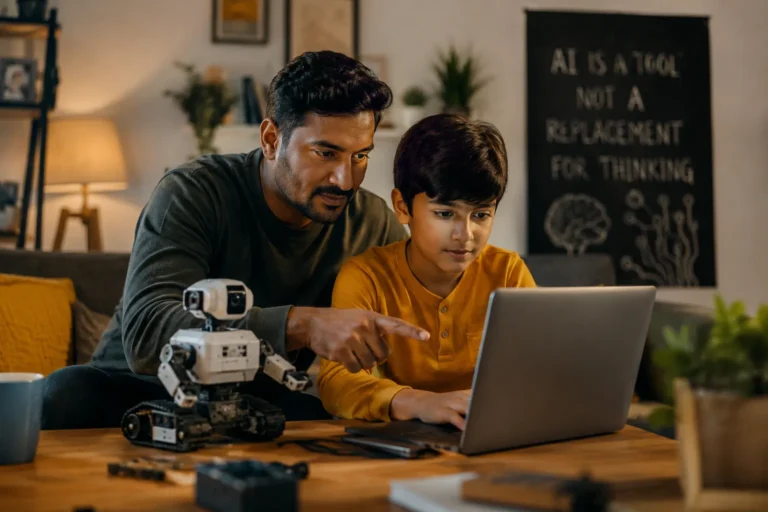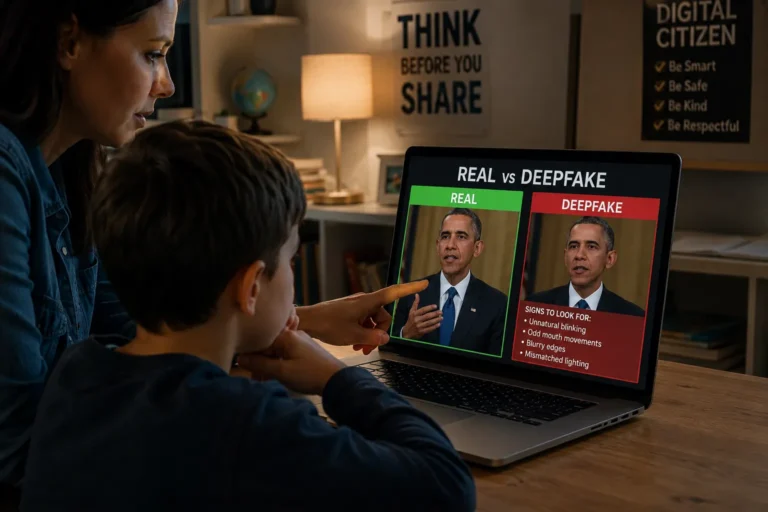
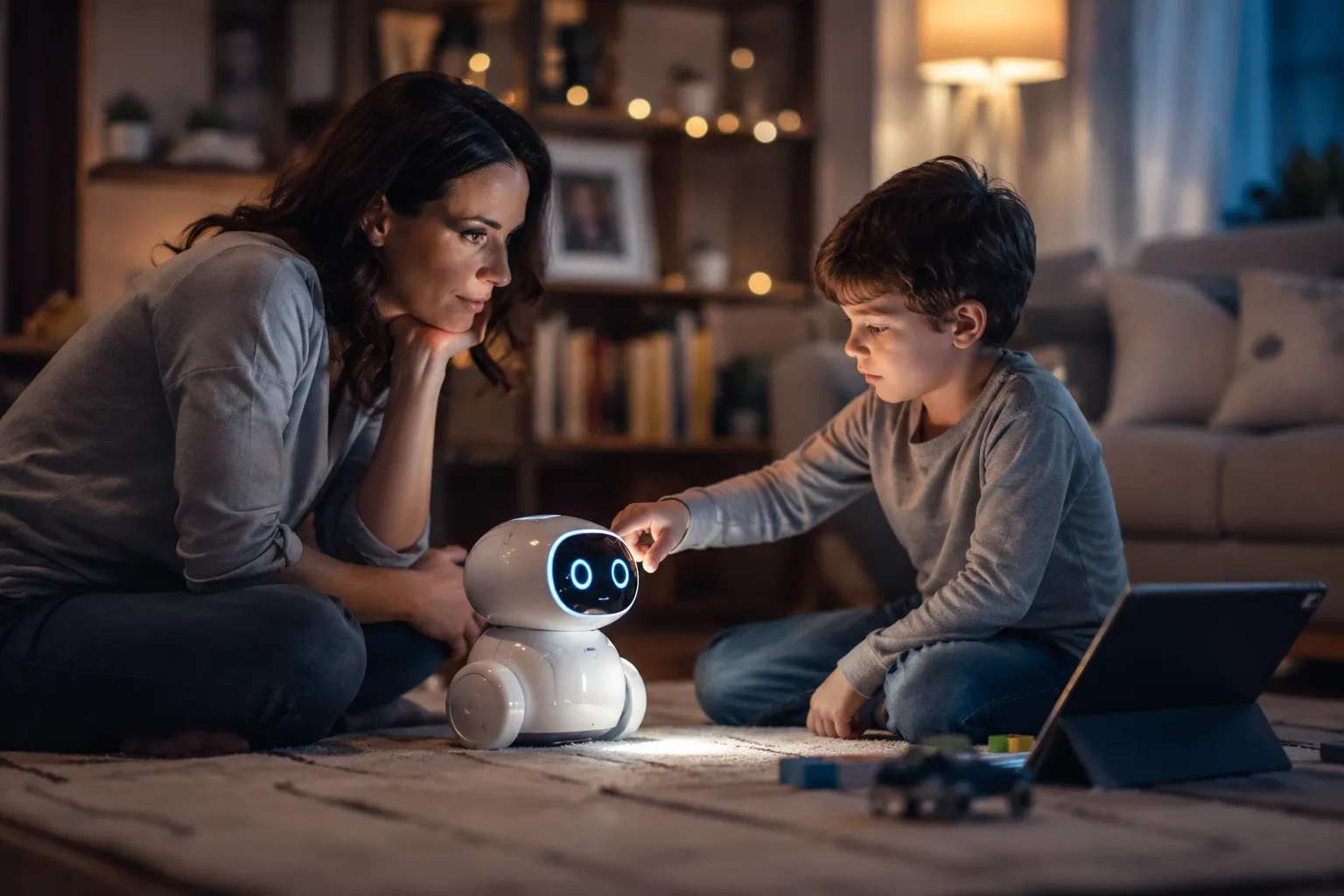
Parenting in the Age of AI Toys: What Every Parent Should Know

Technology has changed childhood in many ways, and AI-powered toys now sit at the center of that change. Unlike traditional toys, these smart devices can talk, learn, answer questions, tell stories, and respond to a child’s behavior. Many parents see AI toys as fun learning tools that keep children engaged while supporting their development. At the same time, these toys raise questions about privacy, screen dependence, emotional attachment, and social growth.
Parents often feel excited and concerned at the same time. They want their children to benefit from new technology without facing unnecessary risks. Understanding how AI toys work and how they affect children can help families make better decisions. By setting healthy boundaries and choosing age-appropriate products, parents can create a balanced environment where technology supports childhood instead of controlling it.
Parenting in the Age of AI Toys: What Every Parent Should Know
AI toys use artificial intelligence to interact with children in ways that traditional toys cannot. They can recognize voices, answer questions, adapt to preferences, and even remember previous conversations.
Parents should understand both the advantages and challenges before bringing these toys into the home.
How AI Toys Work
AI toys use software, sensors, microphones, cameras, and internet connections to create interactive experiences. Some toys process information directly, while others connect to cloud-based systems.
Common features include:
- Voice recognition
- Personalized responses
- Educational games
- Storytelling functions
- Language learning activities
- Problem-solving challenges
These features make the toys feel more responsive and engaging than ordinary playthings.
Benefits of AI Toys for Children
When used responsibly, AI toys can support learning and development.
1. Encourages Learning
Many AI toys teach:
- Mathematics
- Reading skills
- Science concepts
- Vocabulary
- Foreign languages
Children often learn faster when lessons feel like games.
2. Supports Creativity
Some smart toys help children create stories, solve puzzles, and build imaginative worlds. Interactive storytelling encourages creative thinking and self-expression.
3. Provides Personalized Experiences
AI systems can adapt to a child’s interests and skill level. This adjustment keeps activities challenging without becoming frustrating.
4. Builds Problem-Solving Skills
Many AI-powered games require children to think critically and make decisions. These activities can strengthen reasoning skills over time.
Potential Risks Parents Should Understand
Despite the benefits, AI toys can create challenges if parents do not monitor their use.
Privacy Concerns
Many AI toys collect information such as:
- Voice recordings
- Usage patterns
- Personal preferences
- Behavioral data
Parents should review privacy settings and understand how companies handle collected information.
Excessive Dependence on Technology
Children may spend too much time interacting with smart devices. Overreliance can reduce time spent on:
- Outdoor activities
- Physical play
- Family interaction
- Social experiences
Balanced routines help prevent this issue.
Emotional Attachment to AI
Some children develop strong emotional connections with AI companions. While attachment is normal to some extent, children should understand that AI systems are tools and not real friends.
Exposure to Inaccurate Information
AI systems sometimes provide incorrect answers. Parents should encourage children to ask questions and verify information when necessary.
Choosing Safe AI Toys for Your Child
Parents should evaluate products carefully before purchasing.
Check Age Recommendations
Manufacturers usually design toys for specific age groups. A toy that works well for an older child may confuse or overwhelm a younger one.
Research the Company
Before buying, consider:
- Company reputation
- Privacy policies
- Security practices
- Customer reviews
- Safety certifications
A trustworthy manufacturer often provides clear information about data protection.
Review Data Collection Policies
Read the privacy policy carefully. Look for answers to these questions:
- What data does the toy collect?
- Where does the data go?
- How long does the company keep it?
- Can parents delete stored information?
Transparency matters when children use connected devices.
Look for Parental Controls
Strong parental controls allow families to:
- Limit usage time
- Restrict internet access
- Monitor activity
- Manage privacy settings
These controls give parents greater oversight.
Creating Healthy Boundaries Around AI Toys
Technology works best when families establish clear rules.
Set Daily Usage Limits
Children benefit from structured routines. Parents can establish specific periods for AI toy use and reserve time for other activities.
A balanced schedule may include:
- Outdoor play
- Reading
- Family conversations
- Creative hobbies
- Independent play
Encourage Human Interaction
Children still need regular interaction with family members, friends, and teachers. Social experiences teach empathy, communication, and cooperation.
Parents should encourage:
- Family game nights
- Group activities
- Team sports
- Playdates
- Shared learning experiences
Keep Toys in Shared Spaces
Using AI toys in common family areas allows parents to observe interactions and identify concerns early.
Living rooms and family spaces often work better than bedrooms for connected devices.
Discuss Technology Openly
Children should understand how AI works in simple terms.
Parents can explain:
- AI follows programming rules.
- AI does not have real feelings.
- AI can make mistakes.
- People remain the most important source of guidance.
These conversations help children develop healthy expectations.
The Impact of AI Toys on Child Development
AI toys can influence several areas of growth.
Cognitive Development
Interactive learning activities can improve:
- Memory
- Attention
- Language skills
- Problem-solving abilities
Quality educational content supports positive outcomes.
Social Development
Children learn social skills through real-world interactions. If AI toys replace human interaction, social development may suffer.
Parents should maintain a balance between technology use and face-to-face communication.
Emotional Development
AI companions may provide comfort and entertainment. However, children also need genuine emotional experiences with family members and peers.
Healthy emotional development comes from real relationships.
Physical Development
Traditional play often includes movement, coordination, and physical activity. Parents should ensure that AI toy use does not replace active play.
Examples include:
- Running
- Cycling
- Sports
- Playground activities
- Outdoor exploration
Teaching Digital Responsibility Early
AI toys offer an opportunity to teach digital habits from a young age.
Explain Online Safety
Children should learn basic safety principles such as:
- Protecting personal information
- Avoiding conversations with strangers online
- Asking parents before sharing details
- Reporting anything unusual
Encourage Critical Thinking
Teach children to question information rather than accepting every answer automatically.
Helpful questions include:
- Is this information correct?
- Who provided this information?
- Can I verify it elsewhere?
Critical thinking remains valuable throughout life.
Model Healthy Technology Habits
Children often copy adult behavior. Parents who use technology responsibly set a positive example.
Families can create technology rules that apply to everyone.
Future Trends in AI Toys
AI toys will likely become more advanced in the coming years. Future products may offer:
- More natural conversations
- Better language support
- Personalized learning plans
- Improved educational features
- Greater emotional responsiveness
As technology progresses, parents will need to stay informed about new opportunities and challenges.
The goal should remain the same: using technology to support childhood rather than replace important human experiences.
F.A.Q
Are AI toys safe for children?
Yes, when parents choose reputable products and monitor their use.
What age is appropriate for AI toys?
Parents should follow the manufacturer’s recommended age guidelines.
Can AI toys replace educational activities?
No, they should support learning rather than replace traditional education.
Do AI toys collect personal data?
Many AI toys collect data, so parents should review privacy policies carefully.
Can AI toys affect social skills?
Excessive use may affect social development if children spend less time with people.
How much time should children spend with AI toys?
Parents should set reasonable daily limits based on the child’s age and routine.
What is the biggest concern with AI toys?
Privacy and excessive dependence on technology remain major concerns for many families.