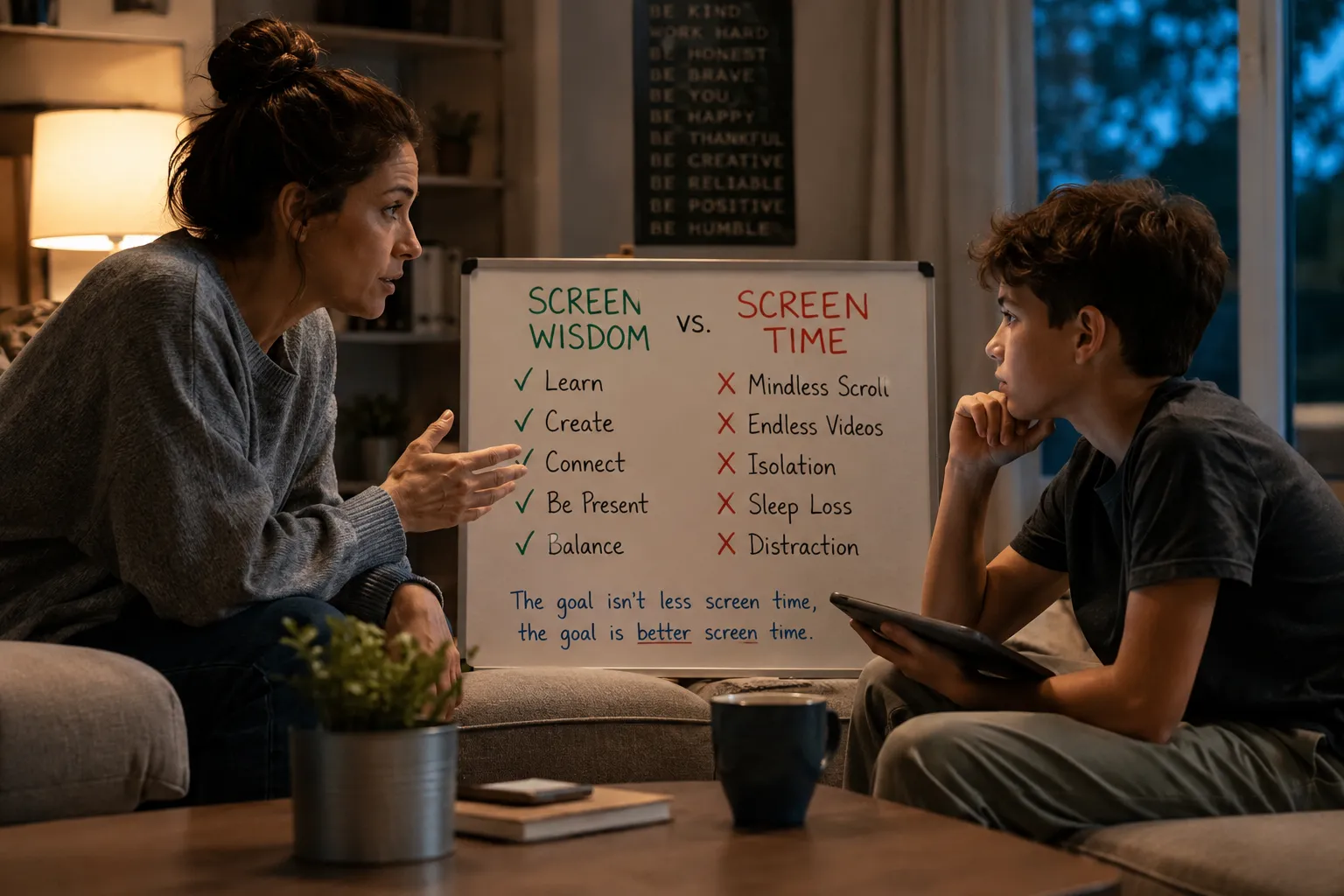
Screen Wisdom vs. Screen Time: The New Parenting Rule for 2026

For years, parents focused on one question: “How much screen time is too much?” Families counted hours, set timers, and worried about children spending too much time on phones, tablets, and computers. In 2026, the conversation has changed. Parents now realize that the quality of screen use matters just as much as the number of hours spent online.
A child who spends an hour creating digital art, learning coding skills, or attending an educational class gains far more value than a child who spends the same hour endlessly scrolling through videos. This shift has given rise to a new parenting approach called Screen Wisdom vs. Screen Time. Instead of focusing only on limits, parents teach children how to use technology with purpose, awareness, and responsibility. This modern rule helps families build healthier digital habits while preparing children for a technology-driven future.
Screen Wisdom vs. Screen Time: The New Parenting Rule for 2026
Screen wisdom focuses on how children use technology rather than simply measuring how long they use it. Parents guide children toward meaningful digital experiences and help them avoid harmful habits.
Understand the Difference Between Consumption and Creation
Many children spend hours consuming content. They watch videos, scroll social media feeds, and play repetitive games. These activities may entertain them, but they often provide limited long-term value.
Screen wisdom encourages creation instead of constant consumption.
Examples include:
- Creating digital artwork
- Writing stories online
- Learning graphic design
- Recording educational videos
- Building websites
- Practicing coding skills
- Producing music
When children create, they develop problem-solving abilities, creativity, and confidence.
Teach Purpose Before Permission
Parents often ask whether children should use a device. A better question is why they want to use it.
Before screen use begins, encourage children to identify their purpose.
Ask questions such as:
- What do you want to accomplish?
- How long will it take?
- What will you learn?
- How will this help you?
These simple conversations encourage intentional technology use.
Build Digital Decision-Making Skills
Children will eventually use technology without supervision. Strong decision-making skills prepare them for that reality.
Teach children how to:
- Recognize misleading information
- Avoid online scams
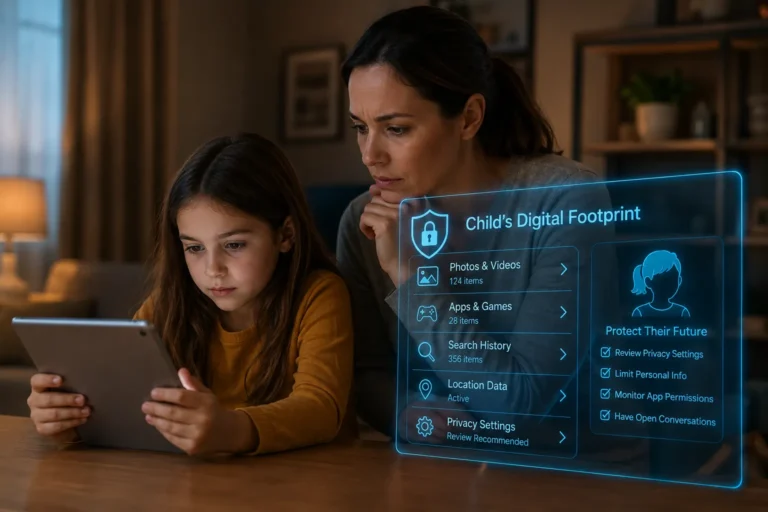
- Protect personal information
- Identify unhealthy content
- Respect others online
- Manage digital distractions
These lessons create responsible digital citizens.
Encourage Screen Balance Instead of Screen Bans
Strict bans often create resistance. Children may become more curious about restricted technology.
A balanced approach works better.
Healthy daily routines can include:
- Outdoor activities
- Reading books
- Family conversations
- Sports and exercise
- Creative hobbies
- Educational screen use
Children learn that technology belongs in life, but it should not control life.
Model Healthy Screen Habits
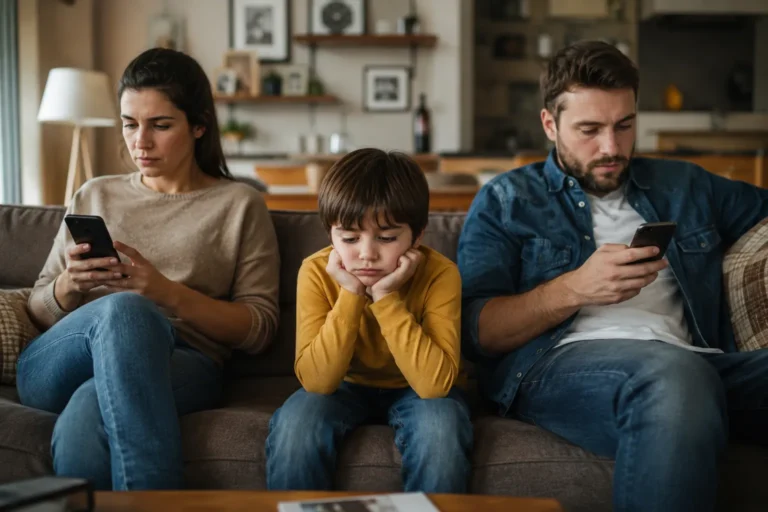
Children observe parents more than they follow instructions.
If parents constantly check phones during meals or conversations, children notice. Families should demonstrate the habits they expect from their children.
Helpful practices include:
- Device-free dinners
- Screen-free family activities
- Limiting phone use during conversations
- Creating bedtime technology rules
Good examples often teach stronger lessons than lectures.
Why Screen Wisdom Matters More Than Ever in 2026
Technology now influences education, careers, communication, and entertainment. Children need digital skills to succeed in the future.
Schools Depend on Technology
Modern classrooms use digital tools for assignments, research, collaboration, and communication.
Children who understand technology can:
- Complete projects efficiently
- Access learning resources
- Develop research skills
- Collaborate with classmates
Parents should support productive technology use rather than treating all screen time equally.
Future Careers Require Digital Literacy
Many future jobs will require strong technology skills.
Children who develop screen wisdom gain experience with:
- Digital communication
- Online collaboration
- Content creation
- Research tools
- Technical problem-solving
These skills may create valuable opportunities later in life.
Mental Health Requires Digital Awareness
Constant exposure to social media can affect confidence, attention, and emotional well-being.
Screen wisdom helps children recognize:
- Unrealistic online comparisons
- Negative digital influences
- Excessive scrolling habits
- Emotional triggers
Awareness allows children to make healthier choices.
Practical Ways Parents Can Build Screen Wisdom at Home
Parents do not need advanced technical knowledge to guide their children. Small daily actions often produce meaningful results.
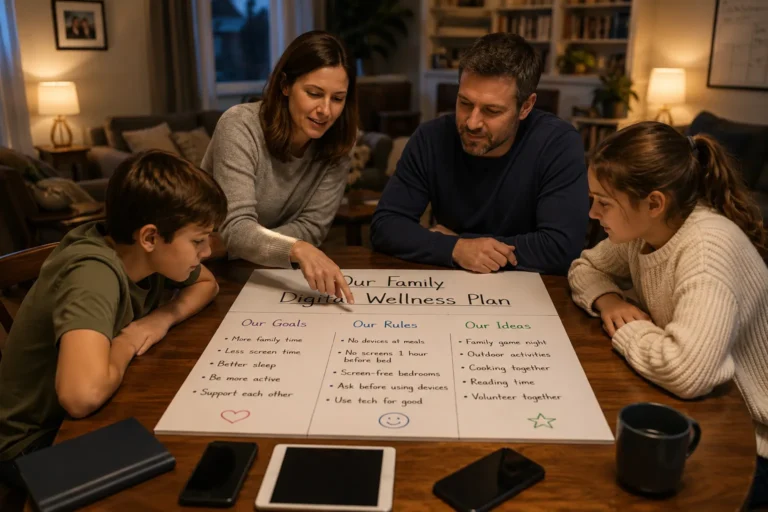
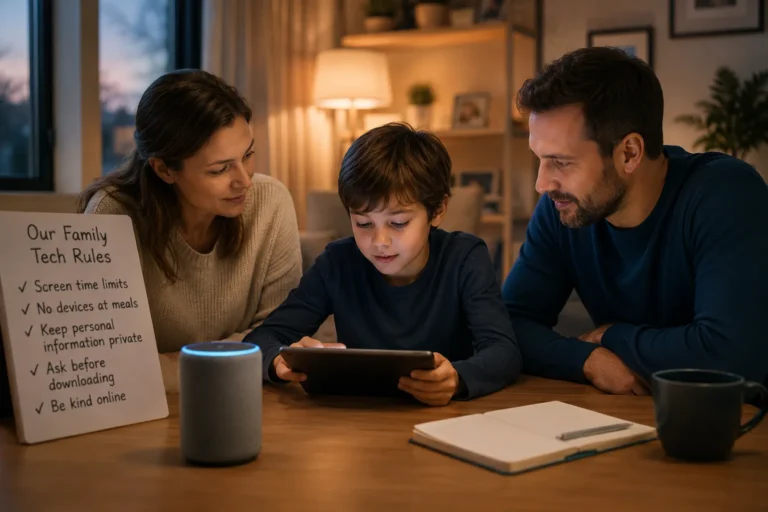
Create Family Technology Agreements
A family technology agreement establishes clear expectations.
Include rules such as:
- No devices during meals
- Homework before entertainment
- Respectful online communication
- Screen-free bedtime routines
- Permission before downloading apps
Written agreements reduce confusion and conflict.
Use Technology Together
Shared screen experiences create learning opportunities.
Parents can:
- Watch educational videos together
- Play strategy games
- Research interesting topics
- Learn new skills online
- Discuss online content
These activities encourage communication and critical thinking.
Teach Critical Thinking
Not everything online is accurate.
Help children evaluate information by asking:
- Who created this content?
- What evidence supports it?
- Can another source confirm it?
- Does the information seem trustworthy?
Critical thinking protects children from misinformation.
Reward Positive Digital Choices
Recognize responsible behavior when children make good decisions online.
Examples include:
- Choosing educational content
- Following screen limits
- Helping others online
- Creating original projects
- Practicing digital safety
Positive reinforcement encourages healthy habits.
Warning Signs That Screen Use Needs Attention
Technology becomes a concern when it starts affecting daily life.
Parents should pay attention to signs such as:
- Declining school performance
- Sleep difficulties
- Reduced physical activity
- Withdrawal from family interactions
- Irritability when devices are unavailable
- Loss of interest in hobbies
- Constant multitasking with screens
Early action helps prevent larger problems.
Steps to Address Unhealthy Screen Habits
If screen use becomes excessive:
- Discuss concerns calmly.
- Identify specific problem areas.
- Establish realistic limits.
- Encourage alternative activities.
- Create device-free zones.
- Monitor progress regularly.
Consistency often produces better results than punishment.
The Future of Parenting in a Digital World
Parenting in 2026 requires a new mindset. Technology will continue to grow, and children will encounter new digital experiences every year.
Successful parents focus on guidance rather than control. They help children develop judgment, responsibility, and awareness. Instead of fearing technology, they teach children how to use it wisely.
Screen wisdom prepares children for real-world challenges. It encourages learning, creativity, safety, and balance. These skills will remain valuable long after today’s apps and devices disappear.
Conclusion
The debate around screen time has shifted dramatically. Parents no longer need to focus only on counting hours. The real goal involves helping children understand how, why, and when they use technology. Screen wisdom teaches intentional choices, responsible behavior, and healthy balance.
F.A.Q
What is screen wisdom?
Screen wisdom refers to using technology with purpose, awareness, and responsibility.
How is screen wisdom different from screen time?
Screen time measures duration, while screen wisdom focuses on quality and purpose.
Why is screen wisdom important in 2026?
Children need healthy digital habits and technology skills for modern education and future careers.
Can educational screen use be beneficial?
Yes, educational content can support learning, creativity, and skill development.
How can parents teach screen wisdom?
Parents can model healthy habits, discuss online choices, and guide purposeful technology use.
Should parents completely ban screens?
No, balanced technology use usually works better than complete restrictions.
What are signs of unhealthy screen habits?
Sleep problems, reduced activity, poor school performance, and social withdrawal are common warning signs.